Die vier Routen im Vergleich
Der Mount Kenya hat vier Trekkingrouten auf die Seite von Point Lenana, und die Wahl bestimmt alles: wie gut Sie sich akklimatisieren, worauf Sie den ganzen Tag schauen und wie wahrscheinlich Sie im Morgengrauen auf dem Gipfel stehen. Drei sind in allgemeinem Gebrauch. Die vierte, Burguret, ist eine echte Wildnisroute ohne Hütten und fast ohne Verkehr.
Wenn Sie sich nur eines merken: über Sirimon hinauf, über Chogoria hinab. Das ergibt das sanfteste Akklimatisationsprofil beim Aufstieg und die spektakulärste Landschaft beim Abstieg, und Sie wiederholen keinen einzigen Schritt. Genau so ist unser 4-tägiger Sirimon-Chogoria-Trek gebaut.
| Route | Seite | Tage aufwärts | Akklimatisation | Wofür sie gut ist |
|---|---|---|---|---|
| Sirimon | Nordwesten | 2-3 | Die beste: allmählich, trocken, zwei gute Camps | Der Standardaufstieg. Podocarpus-Wald, dann das weite Mackinder-Tal |
| Chogoria | Osten | 2-3 | Gut, aber mit einem langen dritten Tag | Die schönste Wanderung Kenias: Lake Michaelson, Gorges Valley, die Wände des Temple |
| Naro Moru | Westen | 2 | Die schwächste: schnellster Höhengewinn | Tempo und Budget. Enthält den sumpfigen Abschnitt namens Vertical Bog |
| Burguret | Westen | 3 | Gut, aber ohne Infrastruktur | Wildnis und Einsamkeit: keine Hütten, rauer Pfad, nur für erfahrene Trekker |
Die Routenwahl in der Praxis
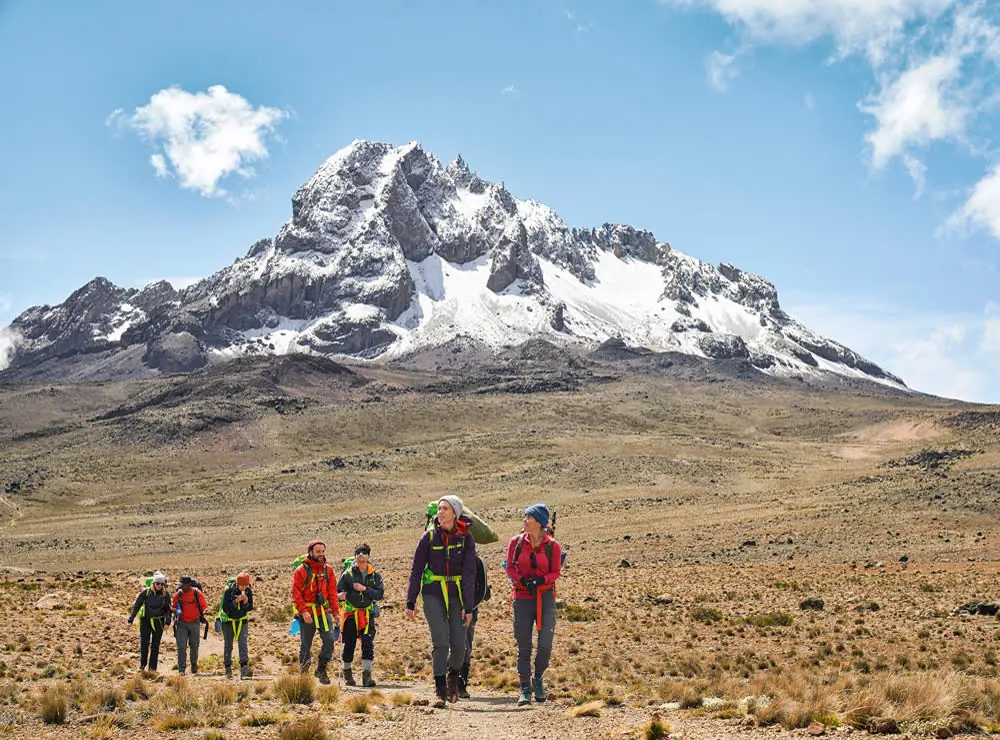
Sirimon von Nordwesten ist der sanfteste Aufstieg und der, den wir standardmäßig empfehlen. Die Route liegt auf der trockeneren Seite des Berges, die Steigung verzeiht, und die gestaffelten Camps Old Moses (3.300 m) und Shipton’s (4.200 m) verteilen die Höhe vernünftig. Die meisten, die bequem den Gipfel erreichen, sind hier hochgekommen.
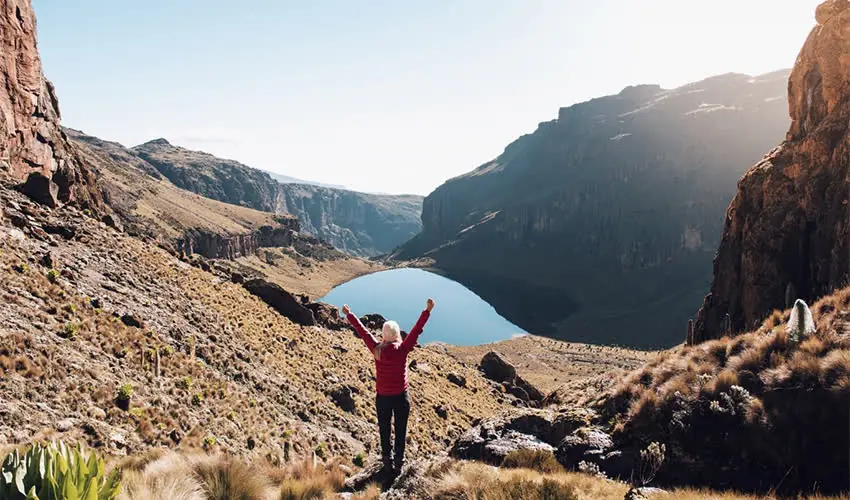
Chogoria von Osten ist schlicht die landschaftlich schönste Route des Landes. Der Pfad führt am Lake Michaelson in seinem riesigen Felsamphitheater vorbei, streift das Gorges Valley und verläuft unterhalb des Temple. Es ist eine längere Wanderung, und der dritte Tag ist kräftig — deshalb bevorzugen wir sie als Abstieg: Sie bekommen die Aussichten, mit der Schwerkraft auf Ihrer Seite.
Naro Moru ist der schnellste Weg nach oben und der härteste für den Körper. Die Route steigt durch den Vertical Bog, gewinnt sehr zügig Höhe und hat genau deshalb die niedrigste Gipfelerfolgsquote der drei. Eine vernünftige Wahl, wenn Ihre Zeit wirklich feststeht, und eine schlechte sonst.
Burguret ist die Route für die, die die anderen schon kennen. Keine Hütten, ein stellenweise undeutlicher Pfad, und Zelten. Dafür sehen Sie möglicherweise die ganze Woche keine andere Gruppe.
Wie schwer ist der Mount Kenya, ehrlich gesagt?
Point Lenana auf 4.985 m braucht keine Seile, auf der normalen Sommerlinie keine Steigeisen und keine Technik. Es ist ein Trek, keine Kletterei. Was er braucht, ist Respekt vor der Höhe: Es fehlen nur 110 m zu fünftausend Metern, und wer scheitert, ist fast immer jemand, der zu schnell gegangen ist, nicht jemand, dem die Fitness fehlte.
Einigermaßen fitte Wanderer, die sechs bis acht Stunden täglich an aufeinanderfolgenden Tagen schaffen, kommen gut durch. Es gibt keine Kletterei, aber Schutt, lange Tage, und der Gipfelmorgen beginnt gegen drei Uhr mit Stirnlampe bei echter Kälte. Wenn Sie zu Hause einen hügeligen 20-Kilometer-Tag gehen, ohne den nächsten zu fürchten, haben Sie die Form.
Die Höhe ist die eigentliche Variable, und sie hängt weder mit Fitness noch mit Alter zusammen. Kopfschmerzen, schlechter Schlaf und Appetitlosigkeit über 4.000 m sind normal; sich verschlechternde Symptome sind es nicht, und das einzige verlässliche Mittel ist der Abstieg. Unsere Guides führen ein Pulsoxymeter mit und entscheiden früh — das ist das ganze Argument für einen ordentlichen Anbieter und gegen den billigsten.
Kann man den Mount Kenya ohne Guide besteigen? Für die Einfahrt in den Park ist ein registrierter Guide vorgeschrieben, und abgesehen von der Vorschrift ist es eine schlechte Idee: Der Gipfelanstieg ist im Dunkeln nicht offensichtlich, das Wetter dreht schnell, und eine Evakuierung aus 4.800 m improvisiert man nicht. Träger sind optional, ein Guide nicht.
Wie lange es dauert
Vier Tage sind das praktikable Minimum, fünf sind deutlich sicherer. Der Unterschied ist eine zusätzliche Nacht in der Höhe, und auf einem Berg, auf dem die Höhe der begrenzende Faktor ist, kauft diese Nacht eine merklich höhere Chance, oben zu stehen.
Unser 4-tägiger Sirimon-Chogoria-Trek führt vom Sirimon Gate nach Old Moses (3.300 m), hinauf zum Shipton’s Camp (4.200 m), im Morgengrauen über Point Lenana und auf der Chogoria-Seite hinab nach Meru Bandas (2.950 m), dann hinaus nach Chogoria town. Der 5-tägige Chogoria-Naro-Moru-Trek ergänzt einen Akklimatisationstag und nimmt die Chogoria-Landschaft im Aufstieg.
Dreitagesrouten gibt es. Wir verkaufen sie nicht: Sie bringen Sie am zweiten Tag über 4.000 m, ohne eine Nacht Reserve, und die Gipfelerfolgsquote spiegelt das.
| Route | Nächte am Berg | Höchstes Camp | Gipfelchancen | Für wen |
|---|---|---|---|---|
| 3 Tage | 2 | Shipton’s oder Mackinder’s | Schlecht: keine Reserve für die Höhe | Für niemanden, unserer Ansicht nach |
| 4 Tage | 3 | Shipton’s (4.200 m) | Gut bei vernünftigem Tempo | Fitte Trekker mit festem Zeitplan |
| 5 Tage | 4 | Shipton’s (4.200 m) | Stark: eine Akklimatisationsnacht mehr | Die meisten, und alle, die die Höhe nicht kennen |
| 6+ Tage | 5+ | Unterschiedlich | Am höchsten | Fotografen, Burguret und die Bergseen-Runde |
Die beste Zeit für die Besteigung
Der Mount Kenya hat zwei Trockenfenster, und das sind genau die, die Sie wollen: Januar bis Februar und Ende August bis September. In diesen Monaten ist der Fels trocken, die Pfade sind fest, und die Gipfelmorgen sind oft genug klar, um damit zu planen.
Die langen Regen von Ende März bis Mai sind die schlechteste Zeit am Berg: Der Vertical Bog macht seinem Namen Ehre, der Chogoria-Abstieg wird rutschig, und die Aussichten schließen sich. Die kurzen Regen im November stören weniger, machen das Camp-Leben aber dennoch nass.
Da der Berg nahezu genau auf dem Äquator liegt, zählt die Tagesschwankung mehr als die Jahreszeit. Rechnen Sie am Gipfelmorgen mit deutlichen Minusgraden und um zehn Uhr am selben Tag mit kräftiger Äquatorsonne, in jedem Monat des Jahres.
Point Lenana und die Gipfel, die kein Trekking sind
Der Mount Kenya hat drei Gipfel, und nur einer wird gegangen. Point Lenana, 4.985 m, ist der Trekkinggipfel und der, auf den sich jede Route auf dieser Seite bezieht. Er ist der dritthöchste Punkt des Berges und der höchste, den man ohne Kletterausrüstung erreicht.
Batian (5.199 m) und Nelion (5.188 m), die eigentlichen Zwillingsgipfel, sind ernsthafte technische Felsklettereien an einem abgelegenen Berg, meist über zwei Tage mit Biwak auf Nelion. Sie verlangen einen qualifizierten Bergführer, Material und Vorerfahrung in Mehrseillängen. Wenn Sie das suchen, sagen Sie es uns, und wir bringen Sie mit den richtigen Leuten zusammen: Das ist eine andere Reise, kein Upgrade.
Genehmigungen, Kosten und was Sie tragen
Die Parkgebühren berechnet der Kenya Wildlife Service pro Person und Tag; sie sind der größte feste Kostenblock des Treks und in unseren Routen enthalten, zusammen mit dem registrierten Guide, den Trägern, den Hütten- oder Campinggebühren und allen Mahlzeiten am Berg. Lassen Sie sich diese fünf Posten von jedem Anbieter einzeln ausweisen, denn ein Angebot, das günstig aussieht, ist meist ein Angebot, dem einer davon fehlt.
Sie tragen einen Tagesrucksack: Wasser, Schichten, Kamera, Snacks. Die Träger nehmen den Rest. Was Sie brauchen, ist ein richtiger Vier-Jahreszeiten-Schlafsack, eine wind- und wasserdichte Außenschicht, eine warme Zwischenschicht, eingelaufene Schuhe mit Knöchelhalt, Handschuhe, eine Mütze, Sonnencreme mit hohem Schutzfaktor und eine Stirnlampe mit Ersatzbatterien für den Gipfelmorgen. Das meiste schwere Material lässt sich in Nanyuki leihen, statt es einzufliegen.
Nanyuki und Naro Moru sind die Ausgangsorte, etwa drei Stunden nördlich von Nairobi, und die Fahrt durch das Hochland ist für sich genommen schön.
Den Trek mit einer Safari verbinden
Das ist, was der Kilimandscharo nicht bieten kann: Die Safari liegt direkt daneben. Die Nashörner von Ol Pejeta sind eine Stunde vom Ausgangspunkt in Nanyuki entfernt, Samburu zwei weitere. Eine Woche, die Point Lenana besteigt und Sie danach mit den Elefanten an den Ewaso Ng’iro setzt, ist für uns die beste Abenteuerroute Kenias — und unsere Route „Schätze des Nordens" ist genau so gebaut.
Die Reihenfolge zählt. Erst der Trek, dann die Safari. Pirschfahrten sind ein Geschenk nach vier Tagen Gehen, und Sie wollen den Berg mit frischen Beinen und nicht nach einer Woche früher Starts.
Häufige Fragen
Brauche ich Klettererfahrung für den Mount Kenya?
Für Point Lenana nicht. Das ist ein geführter Trek, der gute Fitness und ein vernünftiges Tempo belohnt, ohne Seile und ohne Technik. Nur die Zwillingsgipfel Batian und Nelion sind technische Klettereien.
Wie schwer ist die Besteigung des Mount Kenya?
Mittelschwer, und die Schwierigkeit liegt eher in der Höhe als im Gelände. Rechnen Sie mit sechs bis acht Stunden Gehen pro Tag und einem Start um drei Uhr am Gipfelmorgen auf 4.985 m. Einigermaßen fitte Bergwanderer schaffen es; wer scheitert, ist meist zu schnell aufgestiegen.
Wie viele Tage braucht man für den Mount Kenya?
Vier Tage sind das Minimum, fünf sind sicherer. Die zusätzliche Nacht in der Höhe verbessert Ihre Chancen auf Point Lenana messbar. Dreitagesrouten führen wir nicht, weil sie keinen Spielraum zur Akklimatisation lassen.
Welche ist die beste Route auf den Mount Kenya?
Über Sirimon hinauf und über Chogoria hinab ist die klassische Antwort: das sanfteste Anstiegsprofil, verbunden mit dem spektakulärsten Abstieg am Lake Michaelson vorbei, ohne einen Schritt zu wiederholen. Naro Moru ist schneller, hat aber die schlechteste Akklimatisation.
Wann ist die beste Zeit für die Besteigung des Mount Kenya?
Januar bis Februar und Ende August bis September sind die beiden Trockenfenster. Meiden Sie die langen Regen von Ende März bis Mai, wenn die Pfade nass sind und die Aussichten sich schließen.
Kann man den Mount Kenya ohne Guide besteigen?
Nein. Für den Park ist ein registrierter Guide vorgeschrieben, und unabhängig davon machen der Gipfelanstieg im Dunkeln, das schnell wechselnde Wetter und die Schwierigkeit einer Evakuierung über 4.500 m das Vorhaben unklug. Träger sind dagegen optional.
Mount Kenya oder Kilimandscharo?
Der Kilimandscharo ist höher und hat den Namen; der Mount Kenya ist ruhiger, günstiger, auf dem Weg schöner und lässt sich direkt mit einer Safari verbinden. Viele Trekker nutzen ihn als die klügere, akklimatisationsfreundliche Alternative oder als Aufwärmrunde.
Wie hoch ist Point Lenana?
4.985 Meter. Er ist der Trekkinggipfel und der dritthöchste Punkt des Berges, nach den technischen Gipfeln Batian (5.199 m) und Nelion (5.188 m).