Le rythme d’une journée de safari
Les journées de safari suivent l’horloge des animaux, pas la vôtre. Un coup discret à 5 h 30, un café dans le noir, et vous quittez le camp quand le ciel prend la couleur de l’étain — parce que les deux premières heures de lumière sont le moment où la brousse est vivante : prédateurs achevant le travail de la nuit, éléphants traversant les espaces ouverts, tout en mouvement avant la chaleur.
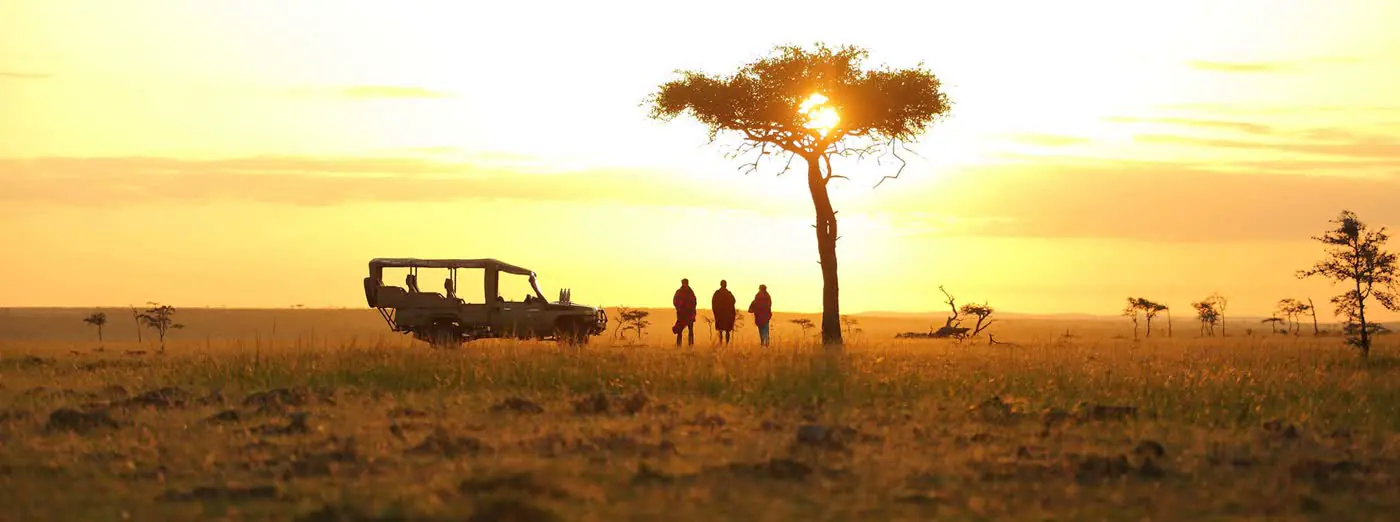
En fin de matinée, vous êtes de retour au camp pour un vrai petit-déjeuner ou un brunch. Le milieu de journée appartient à la piscine, à une sieste ou à l’ombre de la tente-salon — la même sieste que font les lions. Vers seize heures, le thé apparaît et la sortie de l’après-midi part dans une lumière qui s’adoucit, se terminant souvent par un sundowner : un verre sur le capot du Land Cruiser tandis que le soleil tombe sur les plaines.
Ce qui surprend les premières fois
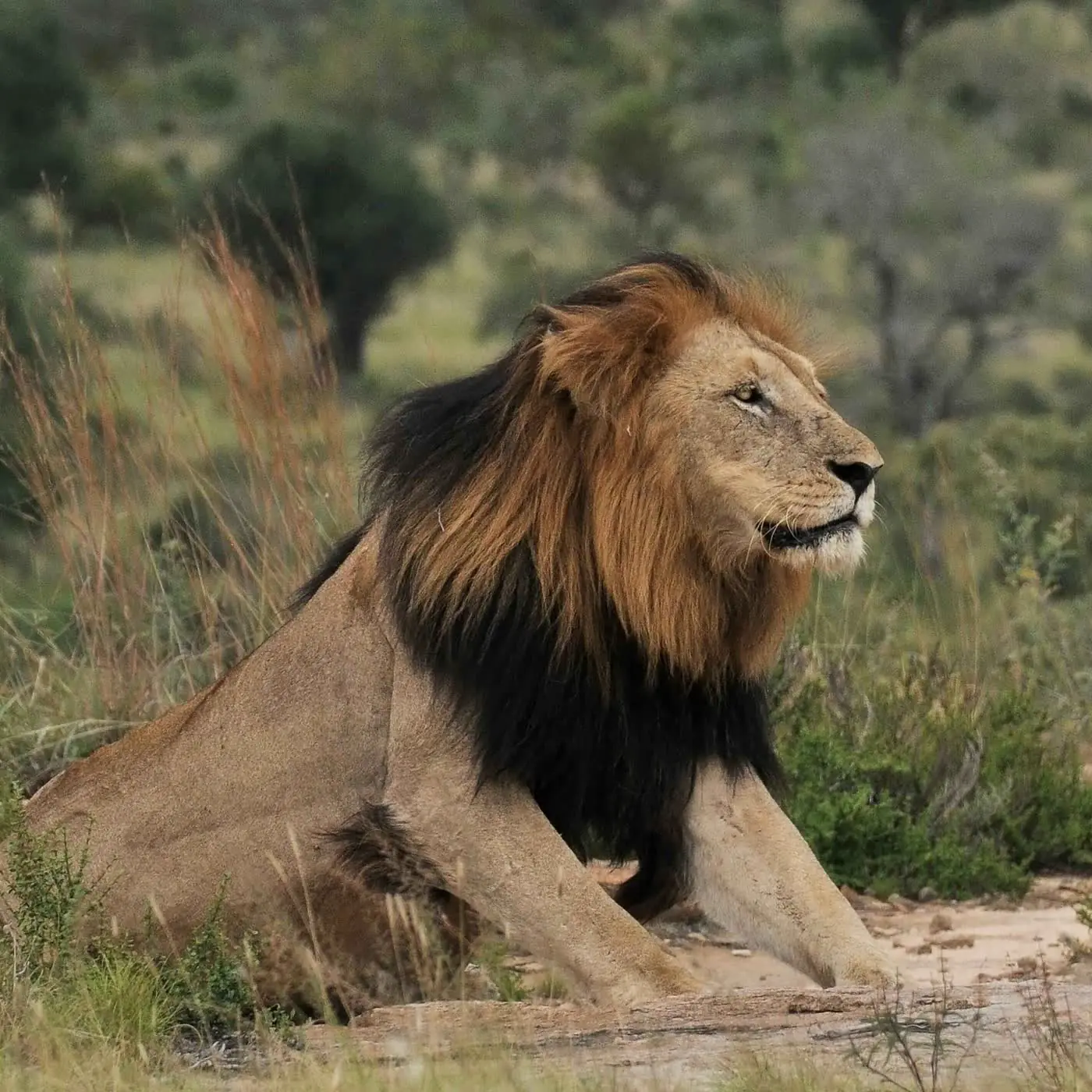
La proximité de la faune : dans les parcs, les animaux considèrent les véhicules comme du décor, si bien qu’une lionne peut passer à quelques mètres de votre fenêtre ouverte sans s’émouvoir le moins du monde. Rester assis et silencieux est ce qui préserve cela.
Le confort de la brousse : les camps de toile ne sont des tentes que de nom — vrais lits, douches chaudes, cuisine soignée et dîners à la lueur du feu. Et la vitesse d’adaptation : dès le deuxième jour, le réveil de 5 h 30 ressemble moins à un sacrifice qu’à un secret dont vous faites désormais partie.
Ce que « voir des animaux » signifie vraiment : ce n’est pas un zoo, et c’est tout l’intérêt. Certaines sorties livrent quatre des Big Five avant le petit-déjeuner ; d’autres restent calmes jusqu’à ce qu’une seule observation extraordinaire rachète tout. Les bons guides lisent la brousse en permanence, et la patience est toujours récompensée.
Les petites lignes que personne ne vous dit
Le Wi-Fi existe dans la plupart des camps, mais mieux vaut le traiter comme une bonne surprise. La poussière est réelle — prenez un tour de cou pour la sortie et un chiffon doux pour votre objectif. Les pourboires aux guides et au personnel du camp sont d’usage et appréciés ; votre conseiller vous donnera des montants raisonnables avant le départ pour que cela ne soit jamais gênant.
Et surtout : prévoyez du mou. Les voyageurs qui aiment le plus le safari sont ceux qui laissent la brousse fixer le programme — ceux qui attendent vingt minutes de plus près de l’arbre du léopard.
Questions des voyageurs
Un safari est-il physiquement exigeant ?
Un safari classique en véhicule demande très peu de marche — l’exigence tient aux lever tôt et aux longues et merveilleuses heures assis à observer. La plupart des camps peuvent s’adapter à des besoins de mobilité variés si on les prévient.
Aurai-je du réseau et du Wi-Fi ?
La plupart des camps proposent le Wi-Fi dans les espaces communs et la couverture mobile atteint une grande partie du Mara, mais attendez-vous à de la lenteur. Beaucoup de clients trouvent que la déconnexion partielle est le meilleur du voyage.