There is no best month — there’s a best month for you
“When’s the best month?” I get asked this more than any other question, and I’m going to give you the answer nobody selling safaris likes to give: there is no best month. There’s a best month for you.
If you want to watch two million animals gamble their lives at a river crossing, come between July and September — and accept the crowds and peak prices that come with the greatest show on earth. If you want the Mara nearly to yourself, emerald grass, dramatic skies and prices that make sense, come in the green season and bring a rain jacket. If you want lions without an audience, I’ll quietly point you at February.
The Mara is our home ground. Our guides are on these plains every week of the year, and this is the guide I wish every guest read before picking dates. Let’s go month by month — honestly.
The quick answer
January to March: dry weather, short grass and superb predator viewing, with low-to-medium crowds and sensible prices. Best for big cats, photographers and value.
April and May: the long rains turn the Mara emerald under dramatic light. The lowest crowds and the lowest prices of the year — some lodges drop rates by up to 40%. Best for budget travellers, moody photography and solitude.
June: the Mara dries out while the herds gather in the Serengeti. Crowds and prices are building — the shoulder-season sweet spot.
July to September: the Great Migration and the river crossings. The highest crowds and the highest prices, typically 30–50% above low season. This is the once-in-a-lifetime window.
October: the herds linger and the crowds thin, with rates beginning to ease. Migration scenes without the worst of the congestion.
November: the short rains arrive and the herds head south. Low crowds, low prices, and the season for birds, babies and value.
December: green and festive with strong resident game. Quiet early in the month, then holiday crowds and rates from mid-December.
Now the honest detail.
January to March: the season the brochures forget
Every year, the same thing happens. The migration circus packs up, the international spotlight follows the herds south into the Serengeti — and the Mara quietly becomes one of the best big-cat destinations on the planet.
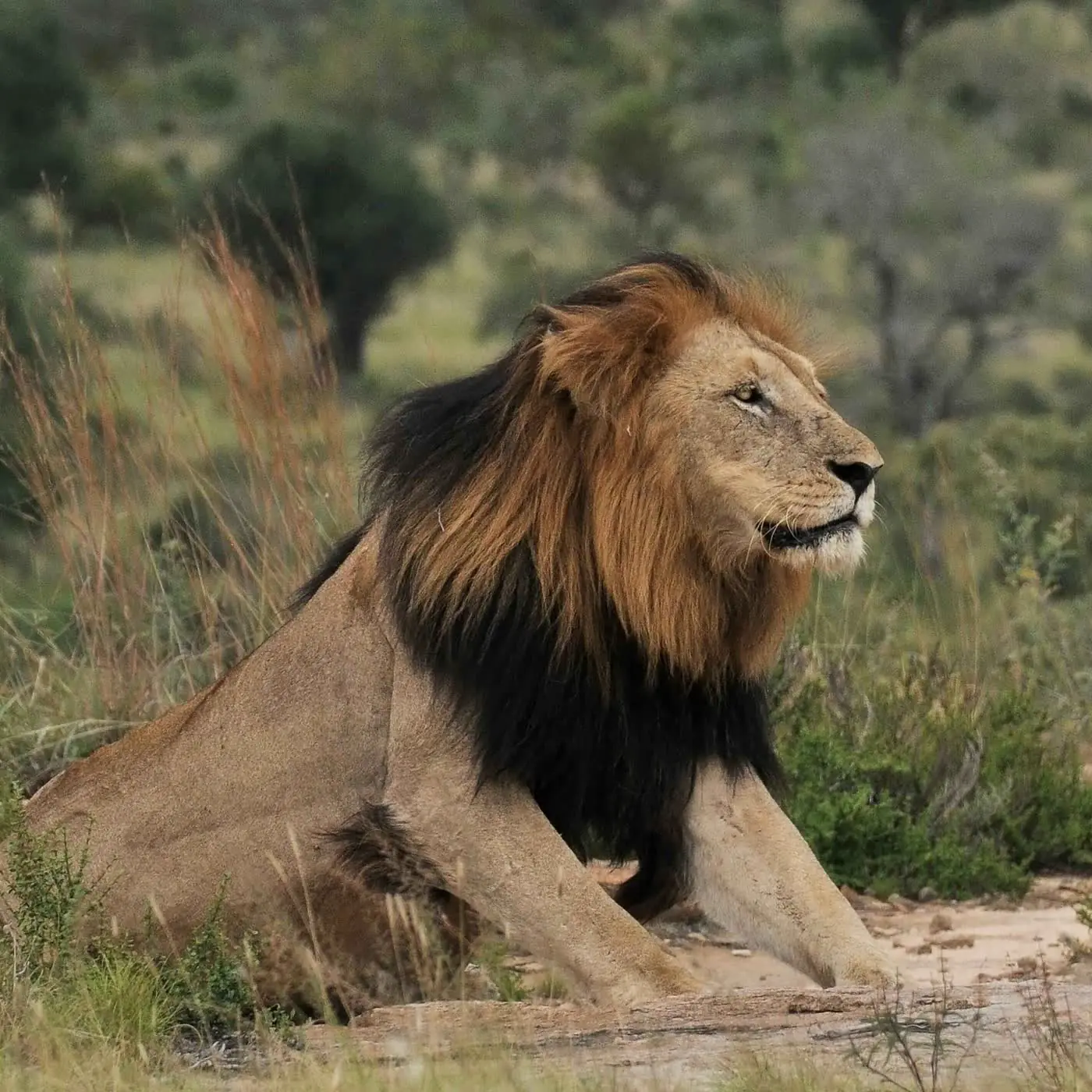
Here’s the thing the migration headlines hide: the Mara’s lions, leopards and cheetahs don’t migrate. The resident prides stay. The grass is short and golden after the dry weeks, which means the cats have nowhere to hide and neither does anything they’re hunting. Some of our longest, calmest predator sightings of the year happen on February mornings, with maybe one other vehicle in sight.
It’s warm — expect bright days around 28°C and cool 6am starts. It’s also calving season for the resident wildebeest and topi, and where there are wobbly newborns, the predators are never far behind.
Come in January–March if: you care more about cats than crossings, you’re a photographer who likes clean golden backgrounds, or you want peak-quality game viewing at non-peak prices. Our 4-day Masai Mara safari in February is, day for day, the best value on our books.
April and May: the green season — my unpopular favourite
I’ll say it plainly: April is the Mara’s best-kept secret, and I’m slightly reluctant to write that down.
Yes, it rains. These are the long rains — typically a proper afternoon downpour, not forty days of drizzle. Mornings are very often clear. And what the rain buys you is extraordinary: the plains turn deep emerald, the light goes soft and silver-edged, thunderheads stack up on the horizon like mountains, and the tourist crowds simply vanish. Lodges drop rates by 30–40%. You can sit at a lion sighting for an hour and see nobody.
The trade-offs, honestly stated: some black-cotton-soil tracks get sticky and there are areas your guide will simply avoid; a few small camps close entirely in April–May; and if a grey sky would ruin your trip, this isn’t your season.
But if you’ve ever admired those dramatic storm-light wildlife photographs — the dark sky, the lit-up lion — a good number of them were taken in exactly these months.
Come in April–May if: you’re on a budget, you photograph, or you value solitude over sunshine. Pair it with Diani Beach — the coast is quieter then too.
June: the insider’s shoulder month
June is the deep breath before the show. The rains taper, the tracks firm up, the grass is tall and gold-green, and down in the Serengeti the herds are already massing and moving north. The Mara itself is in glorious condition, prices haven’t fully peaked, and the camps aren’t yet full.
Late June can surprise you: in some years the first migration columns reach the Sand River in the Mara’s south weeks before the famous crossings begin. No promises — the herds follow rain, not calendars — but June guests occasionally get a preview the July crowds paid double for.
Come in June if: you want most of the peak-season magic with a bit less of the peak-season everything-else. Book early anyway; the secret is leaking.
July to September: the Great Migration — what it’s really like
This is what the Mara is famous for, and it deserves both the hype and some honesty.
The hype is real. Between July and September, well over a million wildebeest plus hundreds of thousands of zebra and gazelle pour into the Mara from the Serengeti. The plains go dark with animals. The air hums. And at the Mara River, the crossings happen: thousands of animals stacking up on the bank, the hesitation, the panic, the plunge — crocodiles waiting, dust and spray everywhere. I have watched many, many crossings and my heart rate still climbs every single time. There is nothing else like it in the natural world.
Now the honesty — three things every guest should know before booking peak season.
1. Crossings are not scheduled. The herds can mill at a bank for six hours and walk away. You may wait half a day in the sun. Our guides track the herds daily and know every crossing point on the river — that’s precisely the local knowledge that turns waiting into witnessing — but no honest operator guarantees a crossing. Be suspicious of anyone who does.
2. You will not be alone. A promising crossing point in August can draw a long line of vehicles. It’s still magnificent. It is not wilderness solitude — for that, see April, or ask us about the private conservancies bordering the reserve, where vehicle numbers are capped.
3. It’s peak-priced and it sells out. Rates run 30–50% above low season, the Mara reserve fee is at its $200-per-adult-per-day peak — I broke the full costs down in our Kenya safari cost guide here in the Journal — and the best-positioned camps genuinely sell out 9–12 months ahead.
Come in July–September if: the crossing is your dream. It was probably the image that made you want a safari in the first place — and seen from your own private vehicle, positioned at first light by a guide who’s been reading these herds for years, it will exceed the dream. Just book early and budget honestly. And if the crossing is the whole point of your trip, I’ve written a full river-crossings guide here in the Journal — the crossing points, how our guides call them, and how to plan around them.
October: the quiet encore
Everyone writes off October, and everyone is wrong. The herds don’t vanish on the 30th of September — large columns linger in the Mara well into October, crossings still happen in the early weeks, and meanwhile half the vehicles have gone home and rates begin to ease.
If your dates are flexible and you want migration scenes without August’s intensity, the first half of October is one of the smartest bookings on the calendar.
November and December: rain, babies and Christmas lions
The short rains arrive in November — lighter and briefer than April’s — and the herds drift back south toward the Serengeti. What’s left is a green, glittering Mara full of resident game, superb birdlife (the migrant birds arrive as the migrant wildebeest leave, a swap I’ve always enjoyed), and newborn animals everywhere.
December splits in two. Early December is quiet and lovely. From mid-December, Kenyan families and festive-season travellers arrive, camps fill, and rates climb for the holidays. A Christmas-morning game drive followed by lunch under an acacia is a family tradition for some of our repeat guests, and I understand completely why.
Come in November–December if: you’re travelling with family over the holidays, you’re a birder, or you want green-season value in November before the festive bump.
So — when should you come?
“I want the river crossing.” July to September. Book 9–12 months out, budget for peak, and let our guides handle the positioning. Start with our 6-day Kenya safari and we’ll weight the Mara days for you.
“I want big cats and fewer people.” January to March, or the first half of October.
“I’m on a budget.” April, May or November. You’ll spend less and see plenty — and you’ll have it almost to yourselves.
“I’m a photographer.” Storm light: April–May. Golden light and clean backgrounds: February. Drama on a biblical scale: August.
“It’s our honeymoon.” Any month works when the camp is right — tell us on the plan-your-safari page and we’ll build the bush-and-beach version around your wedding date.
And if your dates are already fixed by work or school holidays? Don’t worry. In fifteen itineraries and many years of doing this, I have never once had a guest come back from the Mara — in any month — and say it wasn’t worth it. The Mara doesn’t have an off switch. It just has moods.
Tell us your dates and we’ll tell you exactly what the Mara will be doing when you land — message us on WhatsApp and you’ll usually hear back the same day.
Questions travelers ask
What is the single best month to visit the Maasai Mara?
For the Great Migration and river crossings: August, with July and September close behind. For overall game viewing with fewer vehicles and better prices: February. There’s no month where the Mara is “bad” — the resident wildlife, including all the big cats, is there year-round.
When exactly do the river crossings happen?
Typically from mid-July through September, occasionally into early October. But crossings follow rainfall and herd behaviour, not dates — no operator can guarantee one. What we can guarantee is guides who track the herds daily and know every crossing point on the Mara River.
Is the Maasai Mara worth visiting outside migration season?
Completely. The migration is a visiting spectacle; the Mara’s lions, leopards, cheetahs, elephants and everything else are residents. January–March in particular offers some of the best predator viewing in Africa, at a fraction of peak prices.
How bad is the rain in April and May?
Usually a strong afternoon downpour rather than all-day rain, with clear mornings common. Some tracks become impassable and a few camps close, but game drives run daily. In exchange: the lowest prices and the emptiest Mara of the year.
How far ahead should I book?
For July–September: 9–12 months, especially for the well-positioned camps. For January–March and October: 3–6 months is usually fine. For the green season: you can often book quite late — one of its underrated perks.
Does the best time change if I’m combining the Mara with the coast?
Slightly. The coast is at its finest in the dry months (January–March and July–October). Our savannah-to-sea itinerary is built so the beach days land well in any of those windows.