The rhythm of a safari day
Safari days run on the animals’ clock, not yours. A gentle knock at 5:30, coffee in the dark, and you roll out of camp as the sky turns pewter — because the first two hours of light are when the bush is alive: predators finishing the night’s work, elephants crossing open ground, everything moving before the heat.
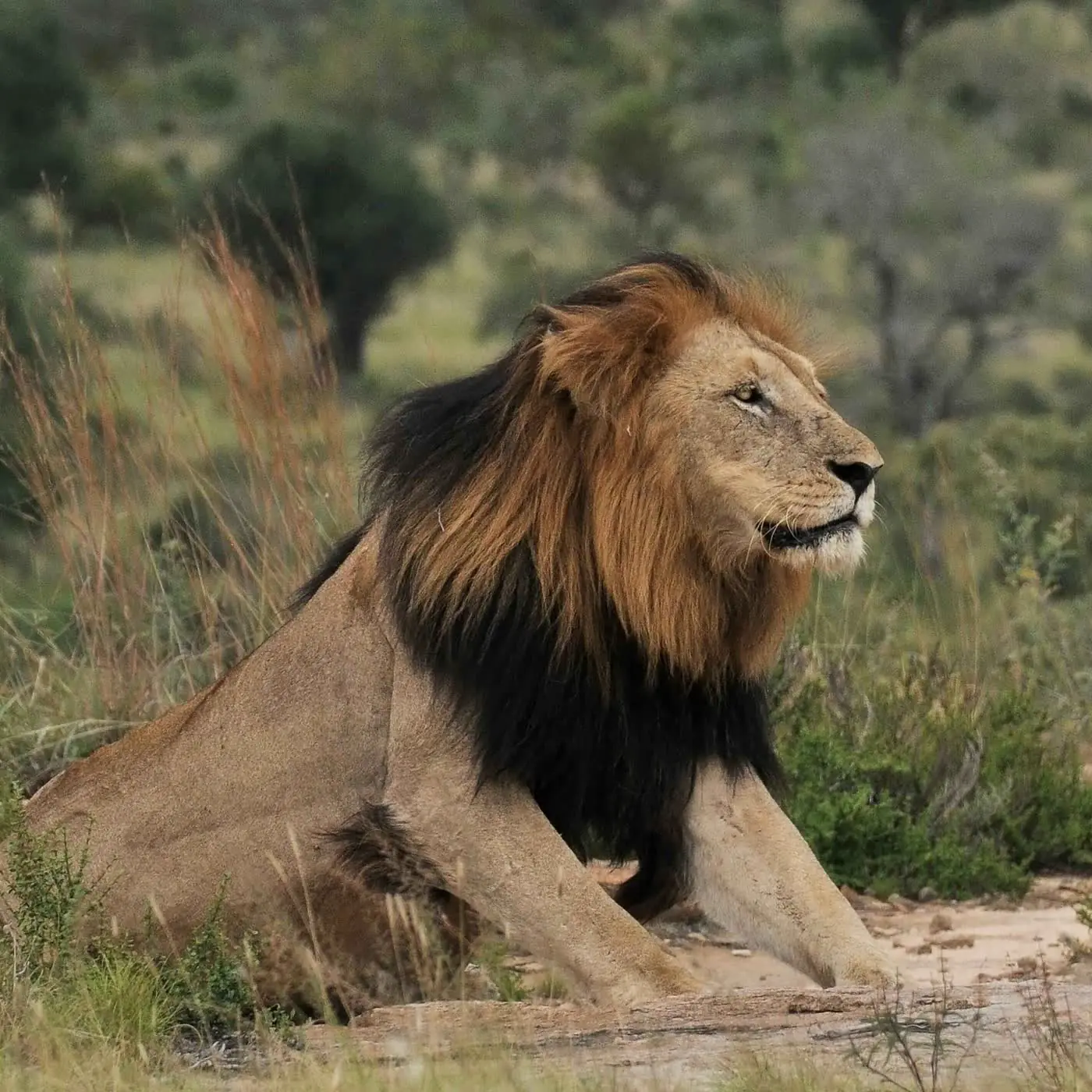
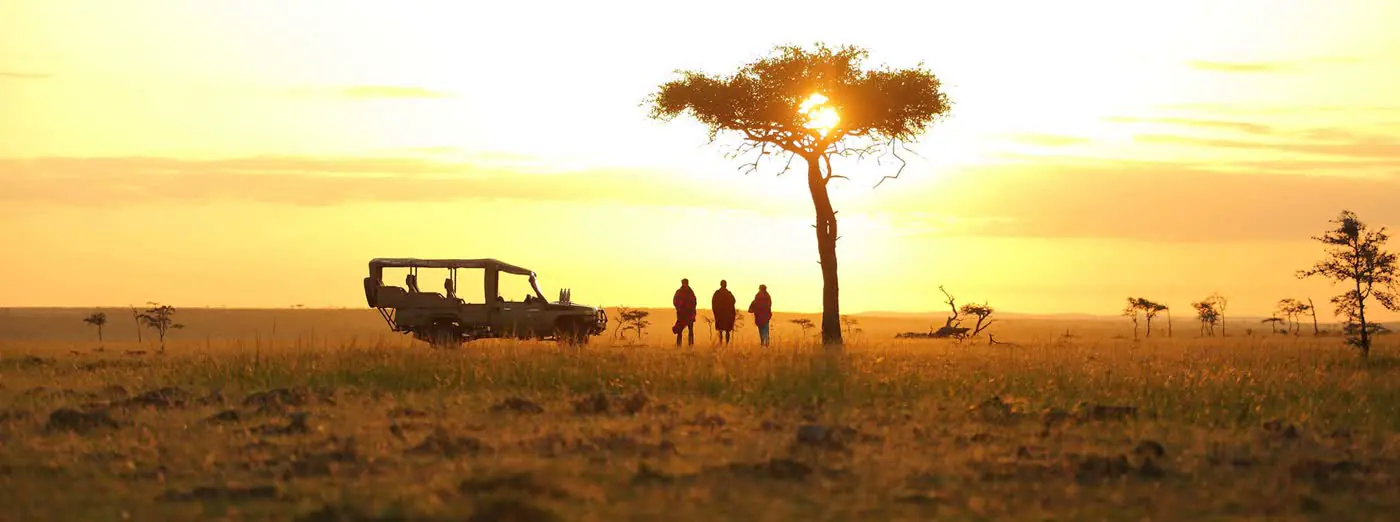
By late morning you are back in camp for a proper breakfast or brunch. The middle of the day belongs to the pool, a nap, or the shade of the mess tent — the same siesta the lions are taking. Around four, tea appears and the afternoon drive heads out into the softening light, often ending with a sundowner: drinks on the hood of the Land Cruiser as the sun drops over the plains.
What surprises first-timers
How close the wildlife is: animals in the parks treat vehicles as scenery, so a lioness may walk within metres of your open window, entirely unbothered. Staying seated and quiet keeps it that way.
How comfortable the bush is: tented camps are tents in name only — proper beds, hot showers, thoughtful cooking and firelit dinners. And how quickly you adjust: by day two the 5:30 knock feels less like a sacrifice and more like a secret you are in on.
What "seeing animals" really means: this is not a zoo, and that is the point. Some drives deliver four of the Big Five before breakfast; others are quiet until a single extraordinary sighting redeems everything. Good guides read the bush constantly, and patience is always repaid.
The small print nobody tells you
Wi-Fi exists at most camps but is best treated as a pleasant surprise. Dust is real — bring a buff for the drive and a soft cloth for your lens. Tipping guides and camp staff is customary and appreciated; your travel curator will give you sensible figures before you fly so it is never awkward.
Above all: build in slack. The travelers who love safari most are the ones who let the bush set the agenda — the ones who wait twenty extra minutes at the leopard tree.
Questions travelers ask
How physically demanding is a safari?
Very little walking is required on a classic vehicle safari — the main demands are early mornings and long, wonderful hours of sitting and watching. Most camps can accommodate a wide range of mobility needs with notice.
Will I have phone signal and Wi-Fi?
Most camps offer Wi-Fi in common areas and mobile coverage reaches much of the Mara, but expect it to be slow. Many guests find the partial disconnection is the best part of the trip.