The honest answer, first
Let me answer the question first, because I know why you’re here. In 2026, a realistic Kenya safari costs $150–$250 per person per day for a genuine budget trip, $250–$450 per day for a good mid-range private safari, and $500 to well over $1,000 per day once you move into luxury camps and private conservancies. So a solid 6-day mid-range safari lands somewhere around $1,900–$2,700 per person, excluding your international flights.
Everything below explains where that money actually goes — and where it quietly disappears if you’re not careful. I’ve been putting Kenya itineraries together from our office in Nairobi for years, and the single most common message I get on WhatsApp is some version of: “I got three quotes for what looks like the same safari and they’re thousands of dollars apart. What am I missing?” Usually, quite a lot. Let’s fix that.
The four things you’re actually paying for
Every Kenya safari quote, from any honest operator, is built from the same four ingredients.
1. Park and conservancy fees — set by the government and the conservancies. Nobody gets a discount on these, whatever they tell you.
2. Accommodation — the biggest variable by far. This is where a $150 day becomes a $1,500 day.
3. Vehicle, fuel and your guide — the part I refuse to cut corners on, and I’ll tell you why below.
4. Logistics — transfers, driver accommodation, water, and the hundred small things you never see.
Park fees: the part nobody warns you about
Here’s the number that catches people out in 2026: the Maasai Mara National Reserve entry fee is now $200 per non-resident adult per day from July to December — double the $100 it still charges from January to June. Children aged 9–17 pay $50 a day, and guests leaving by road after 10am on their last day pay for another full day. Sit with that for a second. A couple spending four days inside the reserve is paying $1,600 in gate fees alone before they’ve slept a single night or eaten a single meal. When a quote looks suspiciously cheap, the first thing I check is whether the operator has quietly counted fewer park days than the itinerary implies. It happens more than you’d think.
Other 2026 fees to budget for: Amboseli and Lake Nakuru run around $60–$100 per adult per day, and private conservancies around the Mara typically charge $100–$230 per person per night depending on the conservancy. Yes, conservancy fees can cost more than the reserve — and they’re often still the better buy: fewer vehicles, off-road sightings and night drives that the reserve itself doesn’t allow.
Accommodation: where $150 becomes $1,500
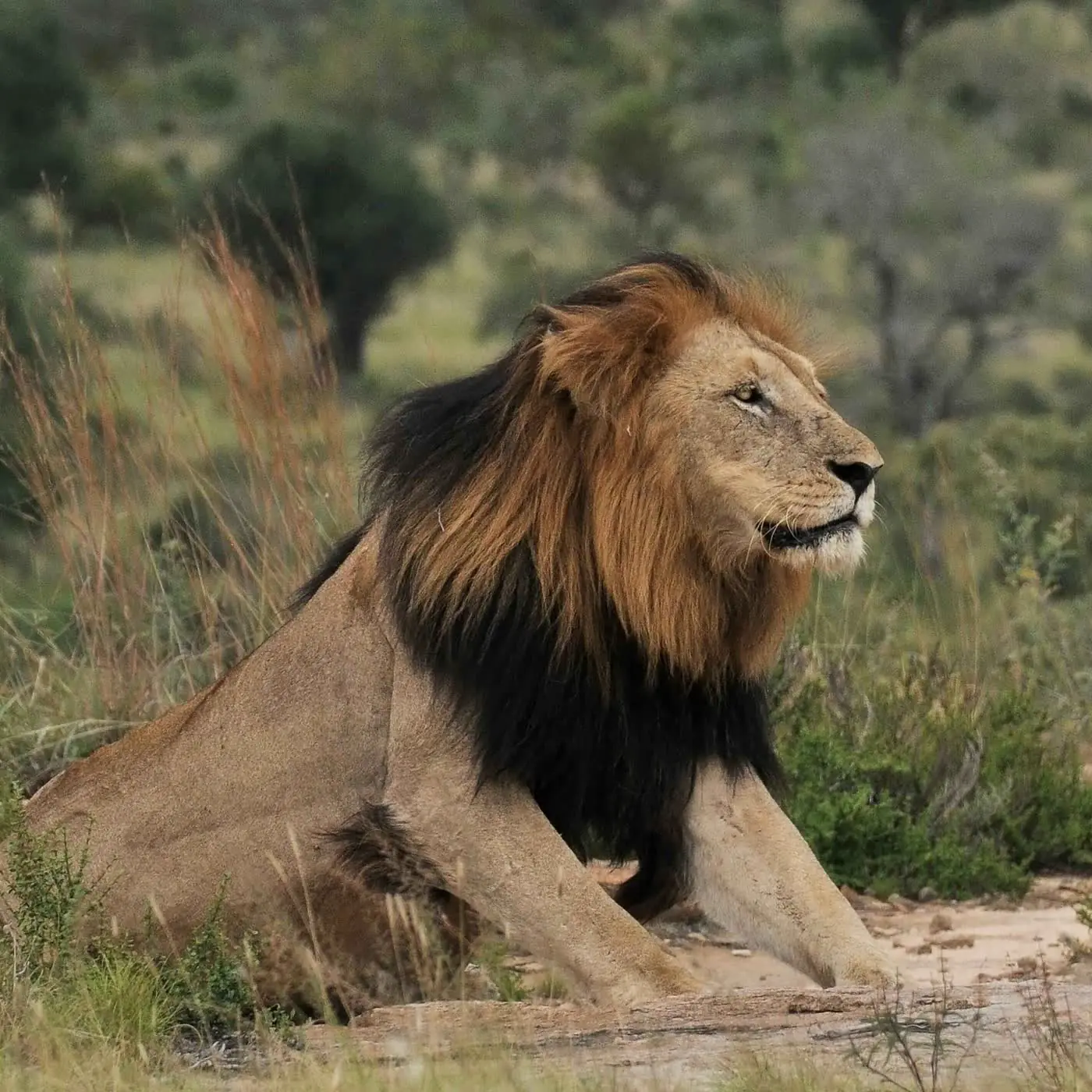
The wildlife doesn’t know what your bed cost. A lion at dawn looks exactly the same whether you slept in a $60 camping tent or a $1,200 suite. What you’re paying for is everything that happens between game drives.
Budget, roughly $40–$100 per person per night: basic camps and bandas, shared or simple bathrooms, honest food. Some are lovely. Some are grim. Knowing which is which is our job.
Mid-range, roughly $120–$300: comfortable lodges and tented camps, en-suite bathrooms, a pool, good kitchens. This is where most of our guests are happiest.
Luxury, $450–$1,200 and up: small camps in private conservancies, exceptional guiding, sundowners, that dinner-under-the-Milky-Way thing we put on our homepage — because it’s real.
My honest opinion: the biggest jump in experience is from budget to mid-range. The jump from mid-range to luxury is wonderful, but it’s a jump in comfort and exclusivity, not in wildlife. If your budget is tight, spend the difference on an extra day in the Mara rather than a fancier pillow. More time with the animals beats a better bathrobe. Every time.
The vehicle and guide: the corner I won’t cut
A few seasons ago a guest arrived after doing a bargain safari elsewhere in East Africa. Seven people in a minivan, middle seats, and a driver who — in her words — “seemed to be seeing the animals for the first time too.” That trip and ours cost her about $40 a day apart.
At White Horse every safari is private: your own custom Land Cruiser, a window seat for every guest, and a guide who reads the grass like a map. That structure genuinely costs more than squeezing strangers into shared vans — fuel, driver and vehicle are spread across your group alone. It’s also the single biggest reason two quotes for “the same safari” differ. When you compare quotes, the first question to ask is: private vehicle or shared? The second: how many window seats?
Real numbers: what our safaris cost in 2026
I’d rather show you our actual pricing than hide behind “contact us.”
Our Magical 4-Day Masai Mara Experience starts from $1,525 per person: private vehicle, Big Five game drives, mid-range tented camp. That works out to about $380 a day, and roughly a third of it is park fees.
Our Kenya Safari 6-Day Experience — Amboseli, Naivasha and the Masai Mara — starts from $1,905 per person. That’s around $318 a day, because Amboseli and Naivasha days cost less than Mara days. This is the itinerary I recommend most to first-timers.
And From Savannah to Sea, 8 days through Amboseli, Tsavo and Diani, puts the safari first and then lands you barefoot on Diani’s white sand. Beach days are far cheaper than park days, which is why bush-and-beach trips often cost less per day than pure safaris.
All fifteen of our itineraries are on the safaris page, and every one of them can be rebuilt around your budget — that’s literally what our curate-your-own page is for. Budget travellers, honeymooners, families of six: we build for all of them. The vehicle is always private. The rest is up to you.
When you travel changes what you pay
Same camps, same parks, very different bills.
July–October (peak): the Great Migration is in the Mara, the world knows it, and rates rise 30–50%. Worth it? If river crossings are your dream — absolutely. Book 6–12 months ahead.
January–March (dry season): my quiet favourite for predators. Grass is short, cats are easy to find, prices are sensible.
April–May and November (green season): rates drop hard, some lodges by 40%. The Mara turns emerald, the light goes soft and dramatic, and you’ll share sightings with a handful of vehicles instead of forty. If you’re a photographer on a budget, this is your season. Bring a rain jacket and a sense of humour about mud.
I’ve written a full month-by-month guide to the best time to visit the Maasai Mara here in the Journal — crowds, prices and light for all twelve months — if you want the seasons in proper detail.
Five honest ways to lower the cost (and one false economy)
1. Travel in the green season. The single biggest saving available — often 30–40% — for a Kenya that’s arguably more beautiful.
2. Trade one Mara day for a Naivasha or Nakuru day. Lower fees, different wildlife, and a boat among the hippos is a genuine highlight.
3. Travel as four or six. A private vehicle’s cost split six ways instead of two changes the per-person maths dramatically.
4. Drive, don’t fly. Flying Nairobi–Mara saves five hours each way but adds roughly $400–$800 per person return in 2026, depending on season — and limits you to about 15 kg of luggage in soft bags. If you want one flight, drive in and fly out. The drive down the Rift Valley escarpment is part of the safari, if you ask me.
5. Ask what’s included — in writing. Park fees, all meals, water, transfers, taxes. A cheap quote missing $800 of park fees isn’t a cheap quote.
And the false economy: shaving the guide. A brilliant guide with a mediocre camp beats a mediocre guide with a brilliant camp. The guide decides whether you watch the crossing or hear about it at dinner.
So what should you budget?
Tight budget, big dreams: $150–$220 a day. Fewer Mara days, green season, simpler camps. Still the Big Five. Still the same sunrise.
The sweet spot, where most of our guests land: $300–$450 a day. Private vehicle, comfortable tented camps, the classic circuit.
Once-in-a-lifetime mode: $600–$1,200+ a day. Private conservancies, small luxury camps, maybe a balloon over the Mara at dawn.
Whichever bracket you’re in, tell us the number honestly. We plan around real budgets every week — the itineraries we’re proudest of are usually the clever mid-range ones, not the expensive ones. Ready for a real quote instead of estimates? Tell us your dates, your group and your budget on our plan-your-safari page, or just message us on WhatsApp — it’s how most of our guests start, and it’s how I answer questions like the ones below every single day.
Questions travelers ask
How much does a 7-day Kenya safari cost per person in 2026?
Roughly $1,400–$1,900 for budget trips, $2,100–$3,200 for a good private mid-range safari, and $4,500 upwards for luxury. Park fees and season move these numbers more than anything else.
Is a Kenya safari cheaper than Tanzania?
At mid-range level, usually yes — slightly. Kenya has more accommodation choice and shorter driving distances on the classic circuit. That said, we run Tanzania safaris too, and the honest answer is that both are superb; combine them if you can.
What’s usually included in the price?
With us: accommodation, all meals on safari, park and conservancy fees, your private vehicle and guide, fuel, water, and Nairobi transfers. Not included: international flights, visas/eTA, tips, drinks at lodges, and optional extras like balloon flights.
Can I do a Kenya safari on $150 a day?
Yes — genuinely, not just theoretically. Green season, simpler camps, smart routing. What we won’t do at any price is put you in a shared van with strangers. Message us and we’ll show you what $150 a day actually buys.
How much should I tip my guide?
A common range is $10–$20 per guest per day for your guide, and $5–$10 per day for camp staff, usually into a shared tip box. Never mandatory, always appreciated.
When should I book for the Great Migration?
For July–September 2027, start planning now. The best camps near the crossing points genuinely sell out 9–12 months ahead.