5 daysFrom $1,610 per personPrivate departure - any date
About this journey
🏔️ Mount Kilimanjaro – The Roof of Africa
Standing proudly at 5,895 meters (19,341 feet), Mount Kilimanjaro is Africa’s highest peak and one of the world’s greatest trekking adventures. Located in northeastern Tanzania, this dormant volcano attracts climbers from around the globe, each seeking the challenge of reaching Uhuru Peak , the mountain’s majestic summit.
Unlike many climbs, Mount Kilimanjaro offers an extraordinary diversity of landscapes. As you ascend, you journey through lush rainforests, moorlands, alpine deserts, and finally, glistening glaciers near the summit. Therefore, each stage of the trek feels like a new world, filled with different sights, sounds, and sensations. Moreover, the climb requires no technical mountaineering skills, which makes it accessible to adventurers of varying experience levels.
At White Horse Safaris , we provide expertly guided Mount Kilimanjaro expeditions for trekkers of all abilities. Our experienced mountain guides, porters, and cooks work together to ensure your comfort, safety, and success. In addition, every member of our team is trained in altitude awareness, first aid, and mountain safety protocols.
Because each climber is unique, we offer multiple routes to suit different preferences. You can choose the scenic Machame Route , the classic Marangu Route , or the remote Lemosho Route . Each one provides breathtaking views and diverse terrain. Furthermore, our packages include acclimatization days, hot meals, and quality camping equipment to keep you comfortable throughout your climb.
Conquering Mount Kilimanjaro is not only a physical challenge but also an emotional and spiritual journey. As you climb higher, the air thins and the views expand, revealing the vast beauty of Africa beneath you. Eventually, when you reach Uhuru Peak, the sense of accomplishment is overwhelming. The sunrise above the clouds paints the horizon gold — a moment few will ever forget.
Even if you don’t aim for the summit, exploring the lower slopes of Mount Kilimanjaro still offers incredible biodiversity and cultural experiences. Additionally, you can learn about the Chagga people who live on the mountain’s fertile foothills and discover waterfalls hidden within the rainforest.
Join White Horse Safaris for a guided Mount Kilimanjaro climb and experience the adventure of a lifetime.
Highlights
Summit Uhuru Peak at 5,895 metres
The Marangu route, with nights in mountain huts
Sunrise via Gilman's Point and Stella Point
From rainforest to alpine desert and glaciers
Summit certificate and transfers from Nairobi included
What's included
Included
Transfers to and from the mountain
National Park entry, camping fees and park Rescue fees
A fully supported climb (average ratio of support staff to climbers is 4:1)
All meals and drinking water on the mountain
Access to first aid kit and emergency oxygen
A certificate documenting your summit ascent
High-quality mess and sleeping tents with a comfortable foam mattress
Portable toilet
Transfers from Nairobi to Moshi and return transfers
Not included
International flights and visas
Pre and post trek accommodation (starting from starting from $90 for a single room per night and $110 for a double/twin room per night on bed and breakfast basis)
Travel insurance (you must be insured for trekking up to 6000m)
Your personal trekking gears (Trekking Gears can be rented in Moshi)
Snacks on the mountain
Meals and drinks NOT on the mountain
Airport transfer $50 per trip (up to 4 pax) and $80 per trip (up to 9 pax)
Additional Portable toilet ($15 per day 1 Toilet can accommodate up to 5 pax)
Tips for your guide and crew ($200 - $300) recommended per trekker as per industry average).
Day by day
Elevation: 1,870m → 2,720m
Distance: 8 km (4-5 hrs)
Trek: Walk through lush rainforest with chances to spot blue and colobus monkeys . Packed lunch along the trail and dinner at Mandara Hut .
Elevation: 2,720m → 3,720m
Distance: 12 km (6-8 hrs)
Trek: Hike through moorland with stunning views of Kibo and Mawenzi peaks. Breakfast before leaving, lunch provided at scenic viewpoint and dinner at Horombo Hut.
Elevation: 3,720m → 4,700m
Distance: 9 km (6-8 hrs) Trek: Trek through alpine desert, with the landscape becoming more barren as you approach Kibo. Breakfast before the hike and lunch, dinner at Horombo Hut.
Elevation: 4,700m → 5,895m (summit) → 3,720m
Distance: 21 km (12-16 hrs)
Trek: Midnight start for the summit push via Gilman’s Point (5,685m) and Stella Point (5,739m) . Watch the sunrise at Uhuru Peak, then descend to Horombo Hut. Breakfast before the trek, packed lunch provided and energy packed dinner at Kibo Hut.
Elevation: 3,720m → 1,870m
Distance: 20 km (6-8 hrs)
Trek: Descend through moorland and rainforest back to Marangu Gate , where you receive your summit certificate. Midnight snacks before summit ascent, lunch at Horombo Hut and transfer back to your hotel.
Questions about this safari
How long is the Mount Kilimanjaro - 5-day Marangu Route?
5 days and 4 nights. It starts in Moshi and returns to Moshi.
What is included in the price?
Transfers to and from the mountain, National Park entry, camping fees and park Rescue fees, A fully supported climb (average ratio of support staff to climbers is 4:1), All meals and drinking water on the mountain, Access to first aid kit and emergency oxygen, A certificate documenting your summit ascent, High-quality mess and sleeping tents with a comfortable foam mattress, Portable toilet and Transfers from Nairobi to Moshi and return transfers.
Are park fees included?
Yes. Park, reserve and conservancy entry fees for every day of the itinerary are included in the price.
How far is Kilimanjaro from Moshi?
Moshi, the base town for the climb, is about 45 minutes from the Marangu and Machame gates and around an hour from Kilimanjaro International Airport. Return transfers from Nairobi to Moshi, about six hours by road, are included.
When is the best time to climb?
The best months are January to early March and June to October, when the mountain is driest. April, May and November are the rainy seasons, with muddy trails and more cloud.
How high is Kilimanjaro?
Uhuru Peak, the summit of Kilimanjaro, is 5,895 metres (19,341 feet), the highest point in Africa and the tallest free-standing mountain in the world.
Do I need climbing experience for Kilimanjaro?
No technical skills are needed, but you should be fit and prepared for several long days of walking. Altitude is the main challenge, which is why longer routes with acclimatisation days give better summit chances.
Can I add a safari or rest days to the climb?
Yes. We can add hotel nights before and after the trek, an extra acclimatisation day, or a safari to follow the climb.
What should I pack for the climb?
Layers for every climate zone, from rainforest to freezing summit nights: a waterproof jacket and trousers, an insulated down jacket, thermal base layers, warm hat and gloves, broken-in waterproof boots, a head torch and a 3–4 season sleeping bag. Porters carry your main bag; you carry a daypack with water, snacks and rain gear.
Do I need a visa for Tanzania?
Most visitors need a Tanzania visa, which can be applied for online as an e-visa before travel. Check the requirements for your passport well before you fly.
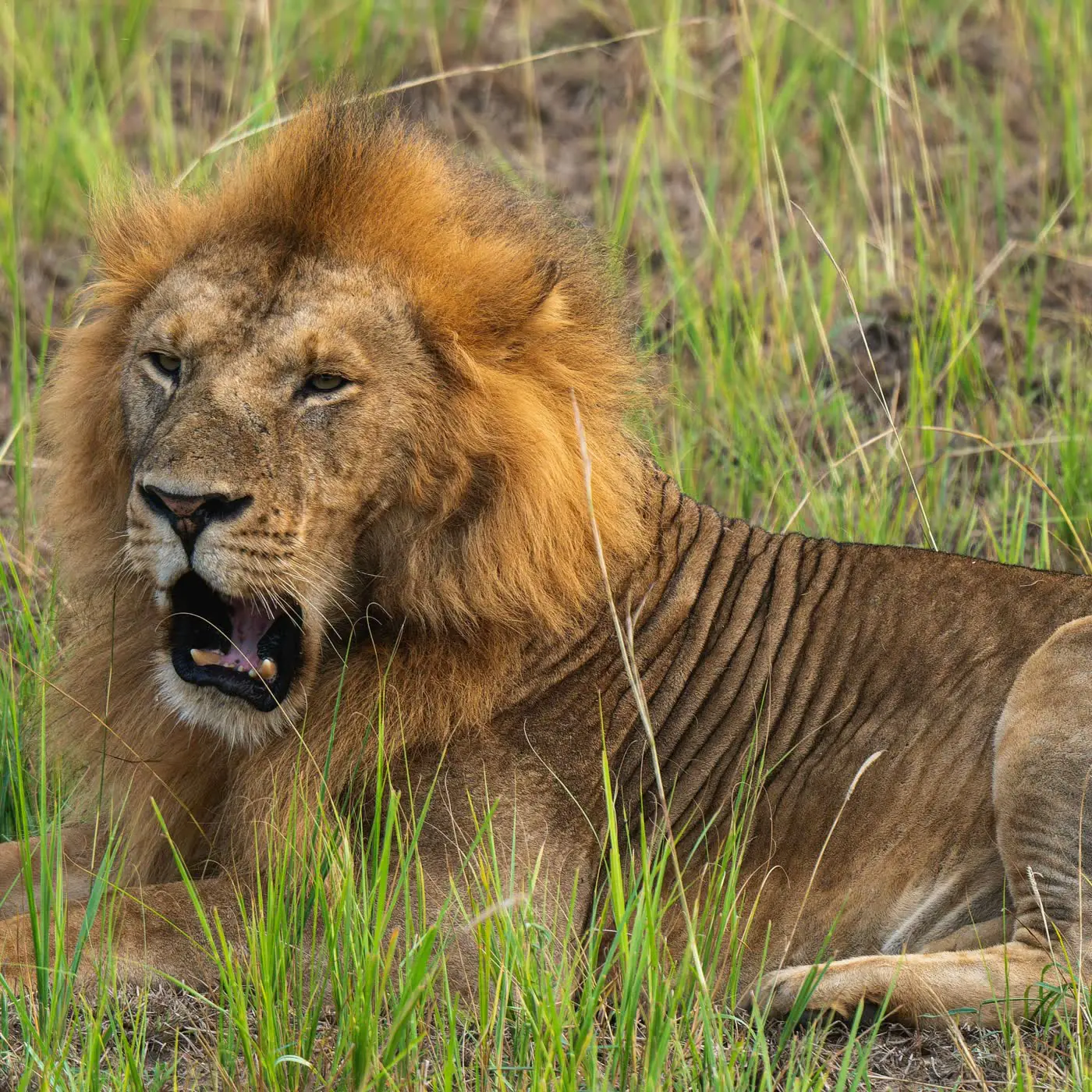
6-day private safari through Tarangire, Serengeti, Ngorongoro. This itinerary focuses on northern Tanzania wildlife, the Big Five, crater scenery and...
 6 daysTanzania