Wildlife: the numbers game works in your favour
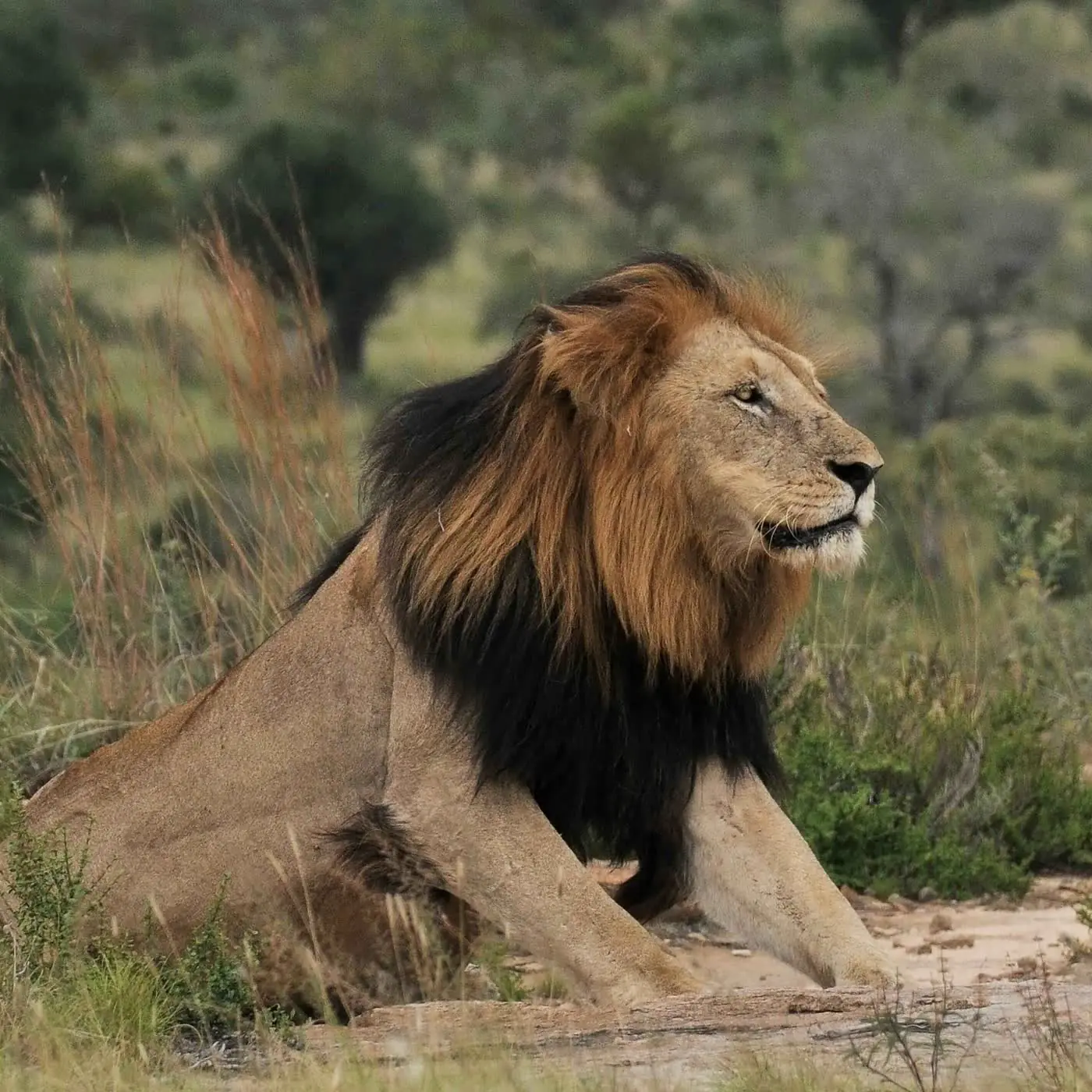
The Mara ecosystem supports resident populations that make every drive productive: large lion prides on the open plains, leopards in the riverine forest along the Mara and Talek rivers, cheetah hunting on the short-grass flats, elephant families in the marshes, and heavy buffalo herds throughout. A small, closely protected black rhino population completes the Big Five for the patient and the lucky.
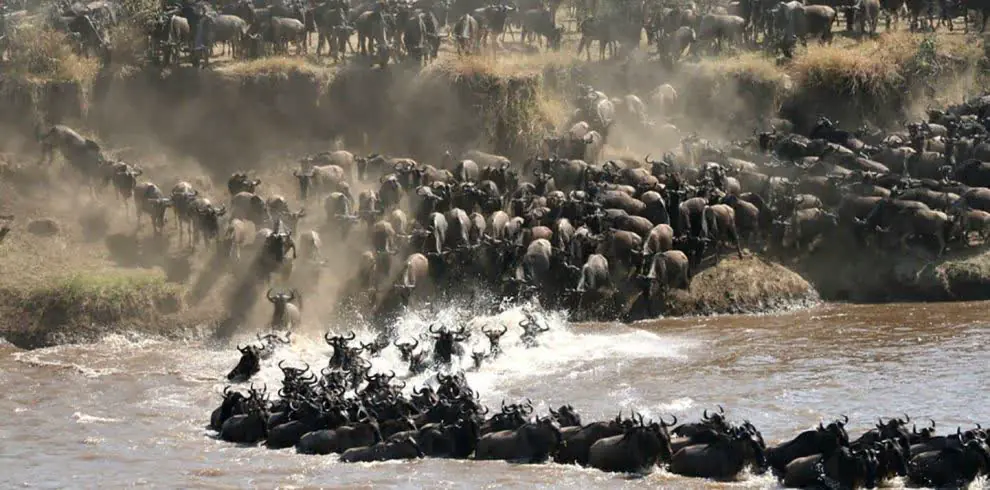
From July to October the Great Migration multiplies everything — prey, predators and drama. Mara River crossings are the headline act, but the quieter spectacle of a million animals grazing to the horizon is just as unforgettable.
When to go
July to October is peak season, built around the migration and dry, reliable game-viewing weather. January and February offer a superb second window: warm days, short grass, and the reserve at its quietest. The long rains (April–May) bring dramatic skies, green plains and the year’s best value; some camps close, but those that stay open offer the Mara nearly to yourself.
Getting there and staying
From Nairobi it is roughly five hours by road through the Great Rift Valley, or a 45-minute scheduled flight to one of the Mara’s airstrips. We usually drive one way — the descent into the Rift is part of the journey — and fly the other when schedules allow.
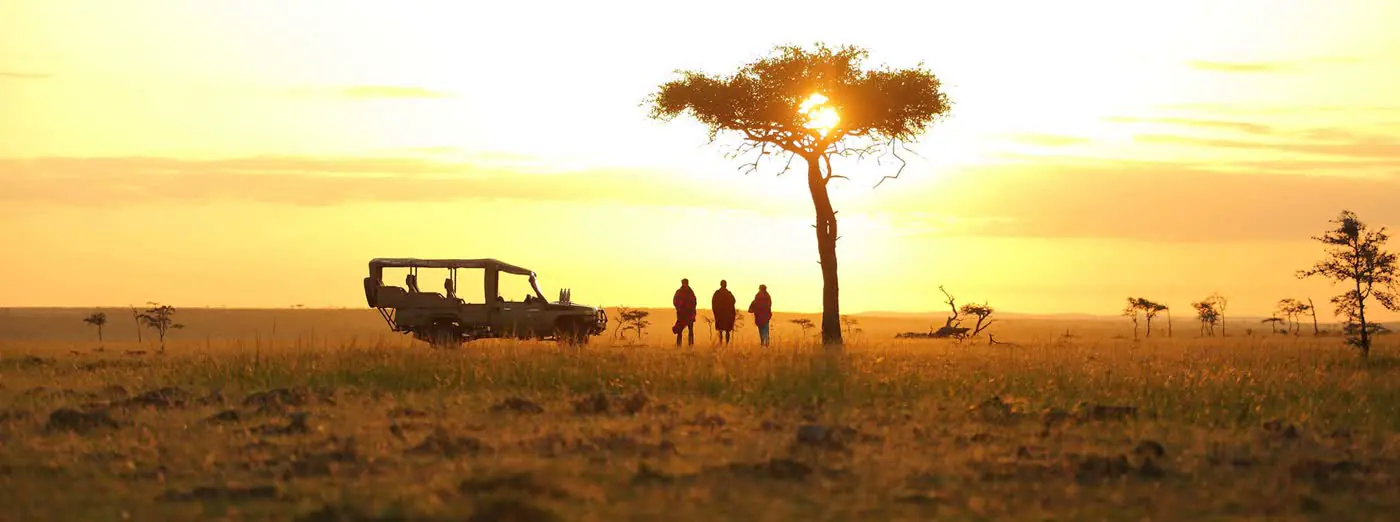
Accommodation ranges from classic luxury tented camps inside the reserve to intimate camps in the surrounding conservancies, where night drives and walking safaris are permitted. Our itineraries favour camps chosen for guiding quality and position relative to the wildlife, not just thread count.
Questions travelers ask
How many days do I need in the Maasai Mara?
Three nights is the sweet spot — enough for the reserve’s different regions and a strong chance at the big cats. During migration season, four nights meaningfully improves your odds of a river crossing.
Is the Maasai Mara good outside migration season?
Yes — the Mara’s resident wildlife is exceptional all year. January–February is particularly good, with quieter plains and beautiful light.
Mara reserve or conservancy — which is better?
The reserve offers the classic open plains and migration river frontage; the conservancies offer exclusivity, night drives and walking. Many of our safaris combine both.