The problem with every best-time guide you have read
Kenya seasonality is well documented. There are hundreds of month-by-month guides, including a very good one of our own here in the Journal, and they will all tell you the same broadly correct things: July to September for the Great Migration, January to March for big cats, April and May for rain and low prices.
What none of them do is check whether those months are months you can actually travel. They are written for readers whose long summer holiday falls in July and August and whose Christmas break is a cold two weeks in December. If you live in Buenos Aires, Santiago, Lima or Bogotá, your year has a different shape — and the interesting thing is that it fits Kenya better than the northern one does, in ways almost nobody points out.
So this is not another month-by-month guide. This is your calendar, mapped onto ours, with an honest verdict on each window.
Vacaciones de invierno, July: your best two weeks, by a distance
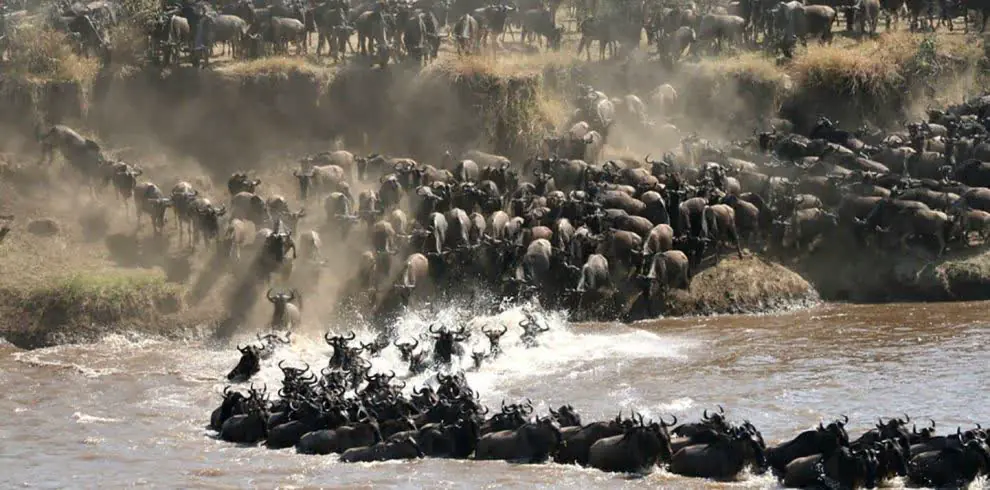
This is the headline, and it is a genuinely lucky one. The southern hemisphere winter break falls in July. The Mara River crossings begin in mid-July. Those two facts have nothing to do with each other, and the overlap is close to perfect.
Argentine provinces set their own dates but the receso invernal is a two-week block in July almost everywhere. Chilean regions vary more: central Chile including the Metropolitana typically breaks from late June into the first days of July, Antofagasta and Los Lagos run roughly the first half of July, and the far north of Arica and Tarapacá sits latest at around mid to late July. Peru has its own rhythm around Fiestas Patrias at the end of July. Colombia takes a mid-year break through June and July.
Here is the nuance that matters, and it is the reason this section exists. If your region breaks in late June or the very first days of July — central Chile, in other words — you are slightly early for the crossings. The herds are usually still moving north through the Serengeti and arriving into the Mara. You will get magnificent plains game, excellent predator activity and noticeably fewer vehicles than August, but a river crossing is not the safe bet it will be three weeks later.
If your break falls in mid or late July — most Argentine provinces, northern Chile, Peru around the 28th, Colombia — you are arriving right as crossing season opens. That is the window. Book it early, because peak-season camps near the crossing stretches sell out nine to twelve months ahead and you are competing with the entire northern hemisphere for the same beds.
The trade-off is honest: July is peak season. Expect rates roughly 30 to 50 percent above low season, more vehicles at good sightings, and flight fares into Nairobi at their highest. You are paying for the greatest wildlife event on earth, and in my view it is worth it — but go in knowing that, and give yourself four nights minimum in the Mara so the crossings have time to happen.
Vacaciones de verano, January and February: the window nobody tells you about
If you can travel in January or February, you should think hard about it, because this is the most underrated match between the two calendars.
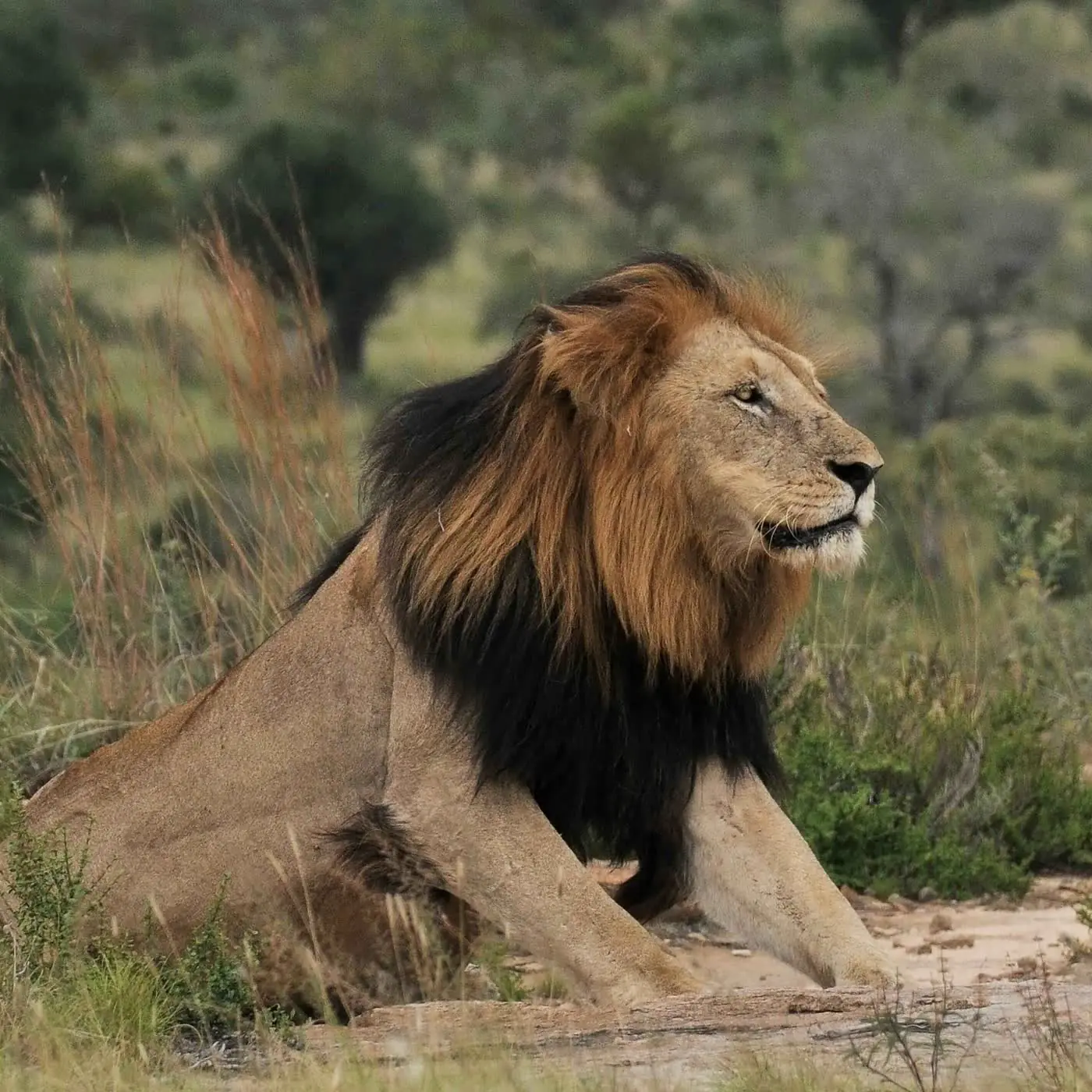
Your long summer holiday lands squarely in Kenya dry season. January to March is short-grass season in the Mara: the plains are open, the grass is low, and predators have nowhere to hide. Lions, cheetah and leopard are at their most findable all year, and photographers who care more about a clean sightline than a river crossing will tell you this is the best light and the best viewing of the twelve months.
Crowds are low to moderate. Rates are sensible, well below the July peak. Flight fares from South America are cheaper than in the migration months. And if you extend into Tanzania, February is calving season on the southern Serengeti plains, when hundreds of thousands of wildebeest give birth within a few weeks and the predator activity that follows is extraordinary in a completely different way from a river crossing.
What you give up is the crossings themselves. The herds are in the Serengeti, not the Mara. If seeing the Mara River is the whole reason for the trip, come in July. If you want the best possible big cat viewing at a fraction of the peak price, with your family holiday already scheduled for these weeks, January and February are the smart choice and I would happily argue that case with anyone.
One practical note: January and February are also the months when Kenya coastal weather is at its best, which makes a Diani beach extension after the safari particularly good value at this time of year.
Semana Santa: the one I will talk you out of
Easter week is a natural travel window across South America and I understand why people ask. I am going to be honest with you about it anyway.
Semana Santa falls in late March or April, which is the beginning of Kenya long rains. April and May are the wettest months of the year. Roads in the Mara become genuinely difficult, some camps close entirely, and while the landscape turns spectacularly green and the light can be extraordinary, game viewing is harder and afternoon plans get rained on.
There are two arguments for coming anyway. Prices are the lowest of the year — some lodges drop rates by up to forty percent — and you will have the place close to yourself. For a returning traveller, a photographer, or someone who genuinely does not mind weather, the green season Mara is beautiful and I recommend it without embarrassment.
For a first safari, especially a family one with a fixed Easter week and no flexibility, I would rather you waited for July or January than spent thirty hours flying here for a wet week. That is not the answer that sells a trip, but it is the answer I would give a friend.
Fiestas Patrias and the September sweet spot
Chile stops for the 18th of September. Peru stops for the 28th and 29th of July. Both create travel windows that happen to sit in interesting places on the Kenyan calendar, and I have never seen either discussed in a safari guide.
The Peruvian Fiestas Patrias window at the end of July drops you directly into early crossing season, which is close to ideal — arguably better than mid-August, since the herds are present and the vehicle numbers have not yet peaked.
The Chilean September window is the one I would quietly recommend to anyone who can stretch it into a longer trip. Mid to late September is the tail of the migration: the herds are still in the Mara, crossings still happen, and the crowds have begun to thin as northern hemisphere school holidays end. Rates start easing off peak. You are getting most of the August spectacle with meaningfully less of the August congestion, and September is often cited as one of the cheaper months to fly this route.
If your only fixed constraint is a long weekend, be realistic: a Kenya safari is not a long-weekend trip from South America. The flight alone eats two days at each end. Fiestas Patrias works when you attach annual leave to it, not on its own.
A quick verdict on every window
Here is the whole year in one view, read from a southern calendar rather than a northern one. Crowd and price levels are relative to the Mara low season, and every row assumes you are flying from South America — which is why September scores higher here than it does in guides written for European readers.
Treat it as directional. Exact break dates shift each year across Argentine provinces and Chilean regions, so check yours against the table before you commit to flights.
| Window | What the wildlife is doing | Crowds and price | Verdict from South America |
|---|---|---|---|
| January–February | Short-grass dry season, the best big cat viewing of the year. Serengeti calving in February. | Low to moderate, well below peak | Excellent. The best value match to vacaciones de verano |
| March | Strong early in the month, declining as the long rains build | Low, low | Workable in the first half only |
| April–May | Long rains. Emerald landscapes, difficult roads, some camps closed | Lowest of the year, up to 40 percent off | Where Semana Santa falls. A reward for returning travellers, a hard first safari |
| June | The Mara dries out while herds gather in the northern Serengeti | Building, building | Good for a break starting late June, but crossings are not yet reliable |
| July | River crossings begin mid-month | High, 30 to 50 percent above low season | The best overlap of the year with vacaciones de invierno. Book 9 to 12 months ahead |
| August | Peak migration, peak everything | Highest of the year | Superb if your dates allow it |
| September | Herds still present, crossings continue | Thinning, easing off peak | The smart month, and it aligns with Fiestas Patrias in Chile |
| October | Herds move south, game viewing still very good | Low, softening | Often the cheapest month to fly this route |
| November–December | Short rains, an afternoon shower rather than a washout | Low, good value | Workable if your summer break starts in December |
Choosing by what you actually want
If you want a river crossing above all else, you need mid-July to mid-September, and you should structure the whole trip around four or more nights in the Mara. Everything else is negotiable; the days in the Mara are not.
If you want the best wildlife photography, come in January or February for short grass and clean light, or September for migration scenes without the worst of the vehicles.
If you are bringing children and are tied to school holidays, July is the obvious answer and January is the better-value one. Both work well for families; our family safari guide here in the Journal covers what actually holds up with kids on a long trip.
If budget is the binding constraint, look at October and November. You will fly cheaper, pay less for camps, and still see a great deal. The green season is the Mara at its most beautiful and its least expensive, and plenty of our guests who came in the quiet months are the ones who come back.
And if you are still deciding, tell us the weeks you can actually take off rather than the month you think you should visit. We plan around real constraints better than around ideals — send us your dates on the plan your safari page or on WhatsApp, and we will tell you honestly what those particular weeks will look like on the ground.
Questions travelers ask
When is the best time for a Kenya safari if I live in South America?
July, if you want the Great Migration river crossings — it aligns closely with vacaciones de invierno across Argentina, Chile, Peru and Colombia. January and February, if you want the best big cat viewing at a much lower price, which matches the southern summer holidays. September is the smart compromise: herds still present, crowds thinning, rates easing.
Do the July winter holidays actually line up with the Great Migration?
Mostly yes, with one caveat. Crossings typically begin mid-July, so breaks falling in mid or late July — most Argentine provinces, northern Chile, Peru around Fiestas Patrias — line up well. Central Chile breaks from late June, which is slightly early for reliable crossings, though the plains game and predator viewing are excellent.
Is Semana Santa a good time for a Kenya safari?
Honestly, no, for a first safari. Easter falls at the start of Kenya long rains, when roads are difficult and some camps close. Prices are the lowest of the year and the landscape is beautiful, so it can suit returning travellers and photographers — but it is a lot of flying for a wet week.
What is Kenya like during the southern hemisphere summer holidays in January and February?
Excellent, and underrated. It is short-grass dry season in the Mara: open plains, superb lion, cheetah and leopard viewing, low to moderate crowds and prices well below the July peak. February is also calving season on the southern Serengeti if you extend into Tanzania.
Can I do a Kenya safari over a long weekend like Fiestas Patrias?
Not really. The flight from South America takes roughly 24 to 32 hours each way, so two of your days disappear at each end. Fiestas Patrias works well as an anchor if you attach annual leave to it — mid to late September is one of the best value windows of the year — but not as a standalone break.
Which month is cheapest to travel to Kenya from South America?
October and November generally combine lower flight fares with lower camp rates as peak season ends and the short rains begin. April and May are cheaper still, but that is the long rains and a harder trip. September often offers the best balance of price and wildlife.