Mzima Springs and the lava fields
Mzima Springs is Tsavo West’s most famous sight. Rainwater that falls on the Chyulu Hills filters through porous volcanic rock for years before bubbling up here as crystal-clear pools, home to hippos, crocodiles and shoals of fish. An underwater viewing chamber lets you watch hippos walking along the bottom, and a short guided walk follows the banks under fig and palm trees.
Nearby, the Shetani lava flow is a vast sheet of black rock from an eruption only a few hundred years old; local people named it shetani, “devil”, for the fire they saw. The Chaimu crater, a young volcanic cone, can be climbed for views across the park.
Wildlife and the Ngulia Rhino Sanctuary
Tsavo West holds elephant, buffalo, lion, leopard, giraffe, zebra, lesser kudu, gerenuk and fringe-eared oryx, though the hilly bush means sightings take more searching than on the open plains of the Mara. The Ngulia Rhino Sanctuary, a fenced area at the foot of the Ngulia Hills, protects a growing population of black rhino.
The park is also known for birds. Each year in November and December, migrating birds from Europe and Asia stop at the Ngulia Hills in huge numbers, and ringing studies there have recorded hundreds of thousands of birds over the years.
Getting there and combining parks
Tsavo West is about four to five hours by road from Nairobi via Mtito Andei, and a similar distance from Mombasa. Most travellers combine it with Amboseli on one side and the Taita Hills, Tsavo East or the coast on the other, making it the natural middle stop on a Nairobi-to-Mombasa safari.
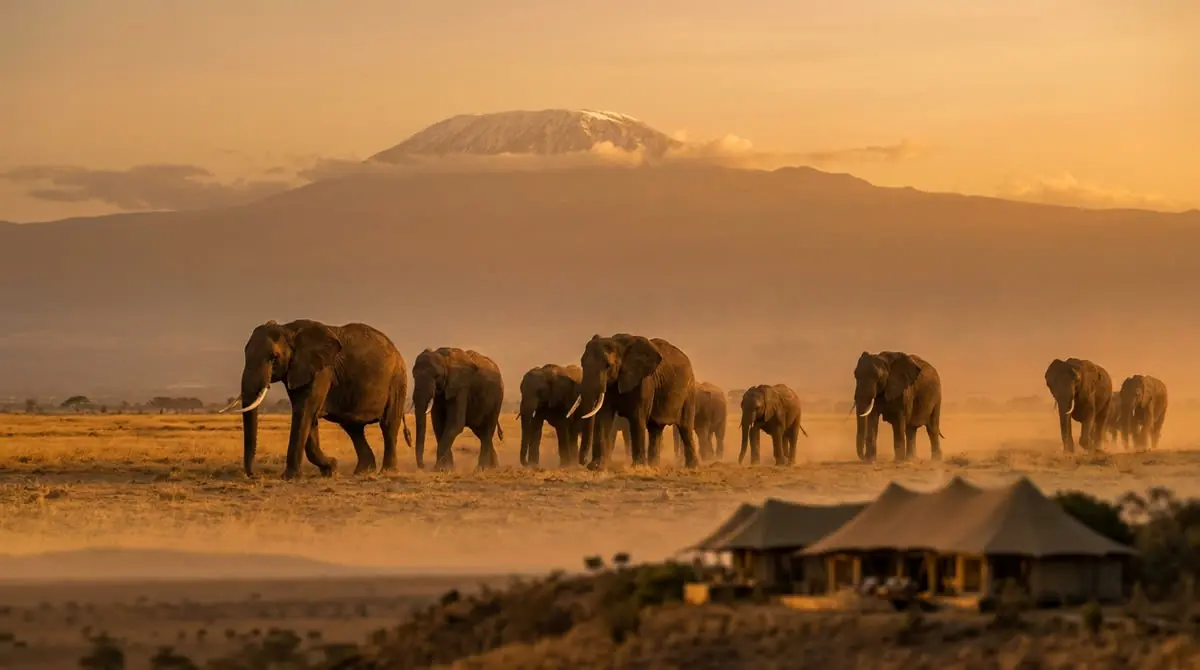
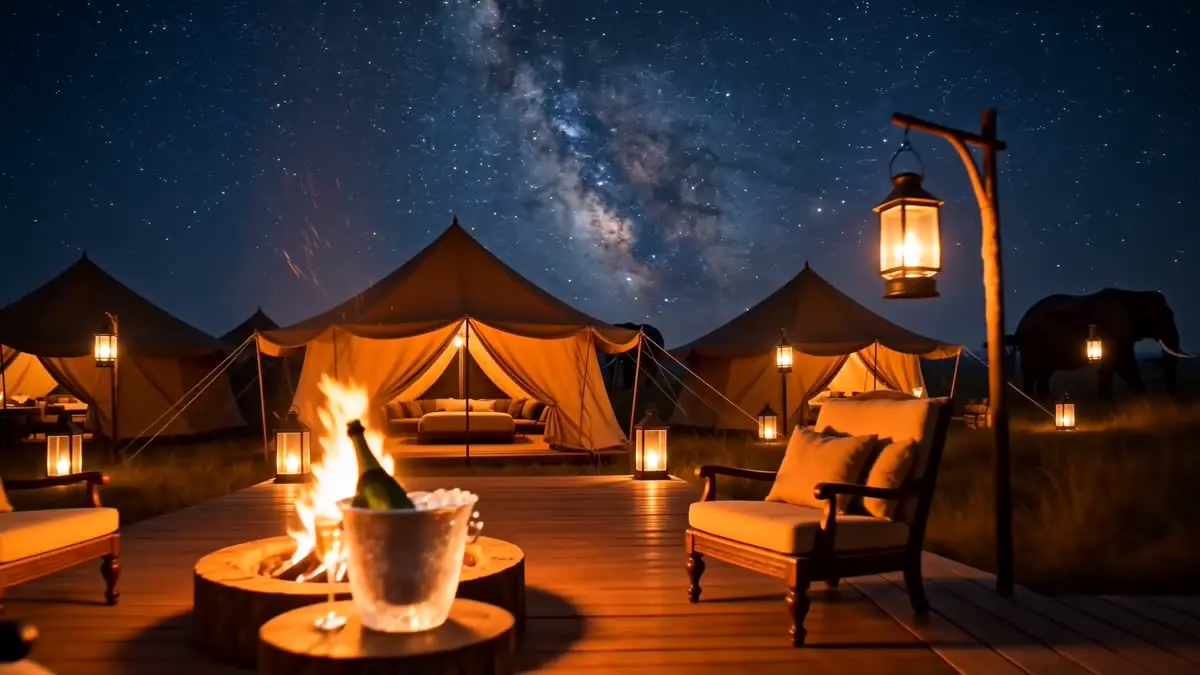
Lodges such as Kilaguni Serena overlook floodlit waterholes with views of Kilimanjaro, so the wildlife viewing continues after dark.
Questions travelers ask
What is the difference between Tsavo East and Tsavo West?
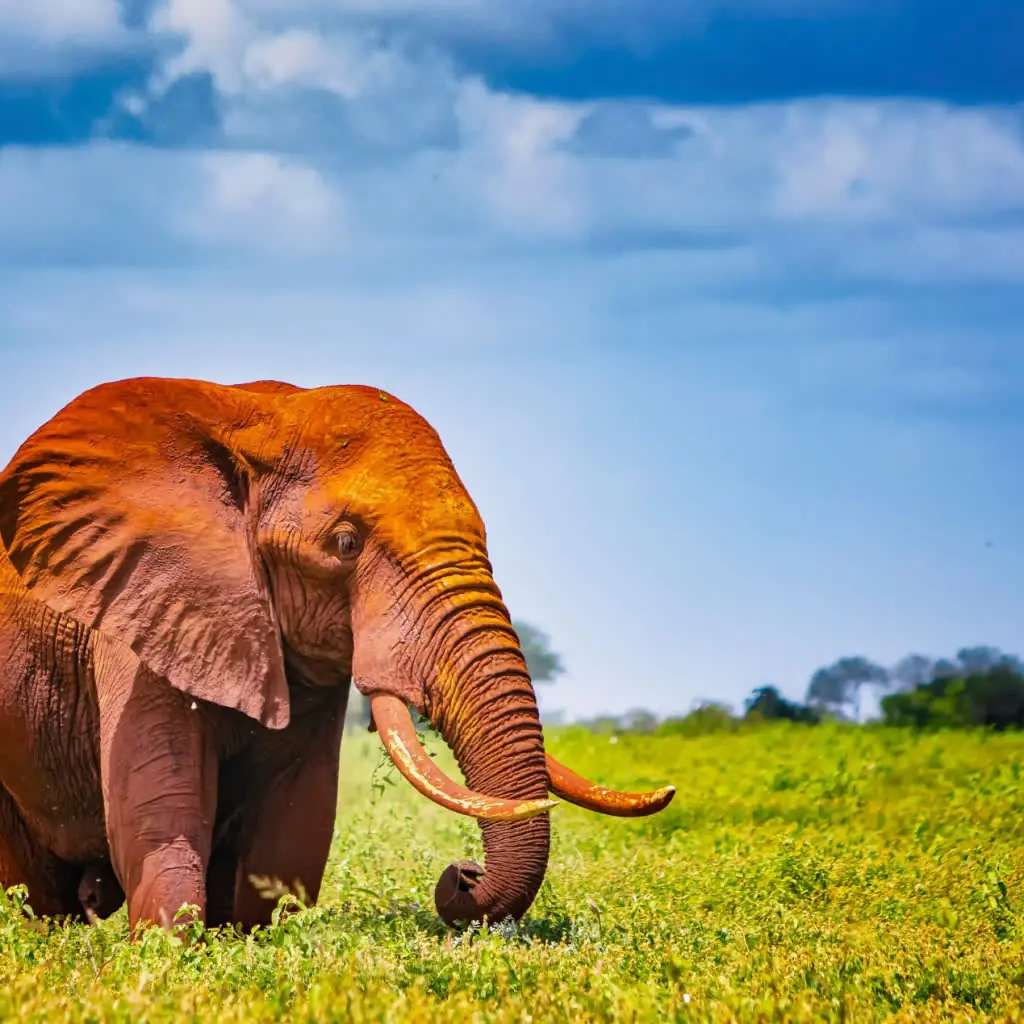
Tsavo East is flatter, drier and more open, with easy game viewing and red elephants. Tsavo West is hillier and more scenic, with Mzima Springs, lava flows and a rhino sanctuary. Many safaris visit both.
Can you see rhino in Tsavo West?
Black rhino live in the Ngulia Rhino Sanctuary, but they are shy and live in dense bush, so sightings are possible rather than likely.
How far is Tsavo West from Mombasa?
About four to five hours by road. It is often combined with the Taita Hills on the way to or from the coast.
Is Tsavo West worth visiting?
Yes, especially for its scenery, Mzima Springs and its position on the road between Amboseli and the coast, which turns a long transfer into a safari.