Elephants and baobabs
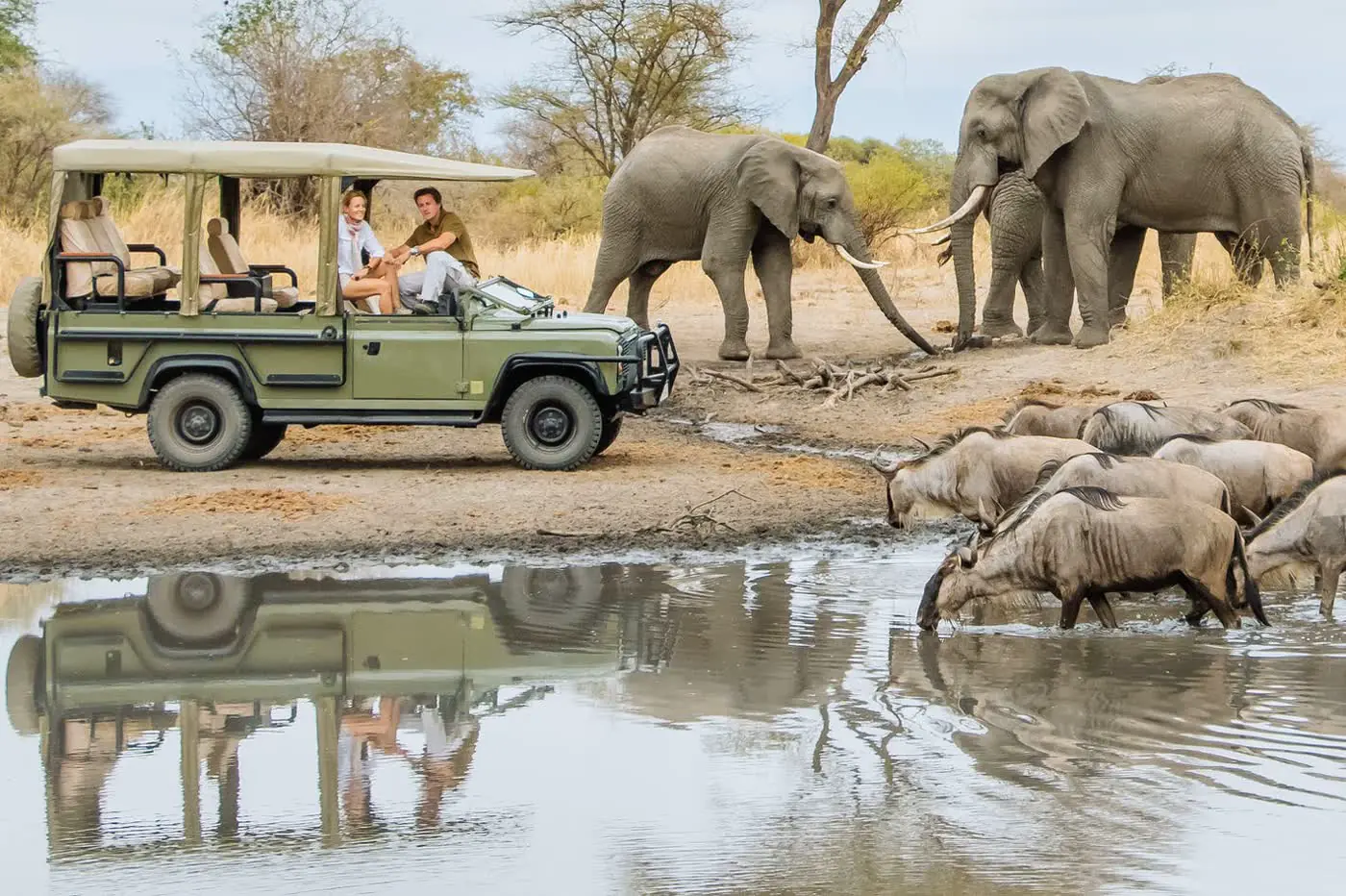
From June to October, herds of a hundred elephants or more gather along the river, digging into the dry sandbanks for water and sheltering under the baobabs in the midday heat. Few places in East Africa let you watch so many elephants, so close, in a single afternoon.
The baobabs themselves are part of the experience: huge, bottle-shaped trunks that store water through the dry season, many scarred where elephants have stripped the bark for moisture. Combined with the umbrella acacias and the river valley, they make Tarangire one of the most photogenic parks in Tanzania.
Beyond the elephants
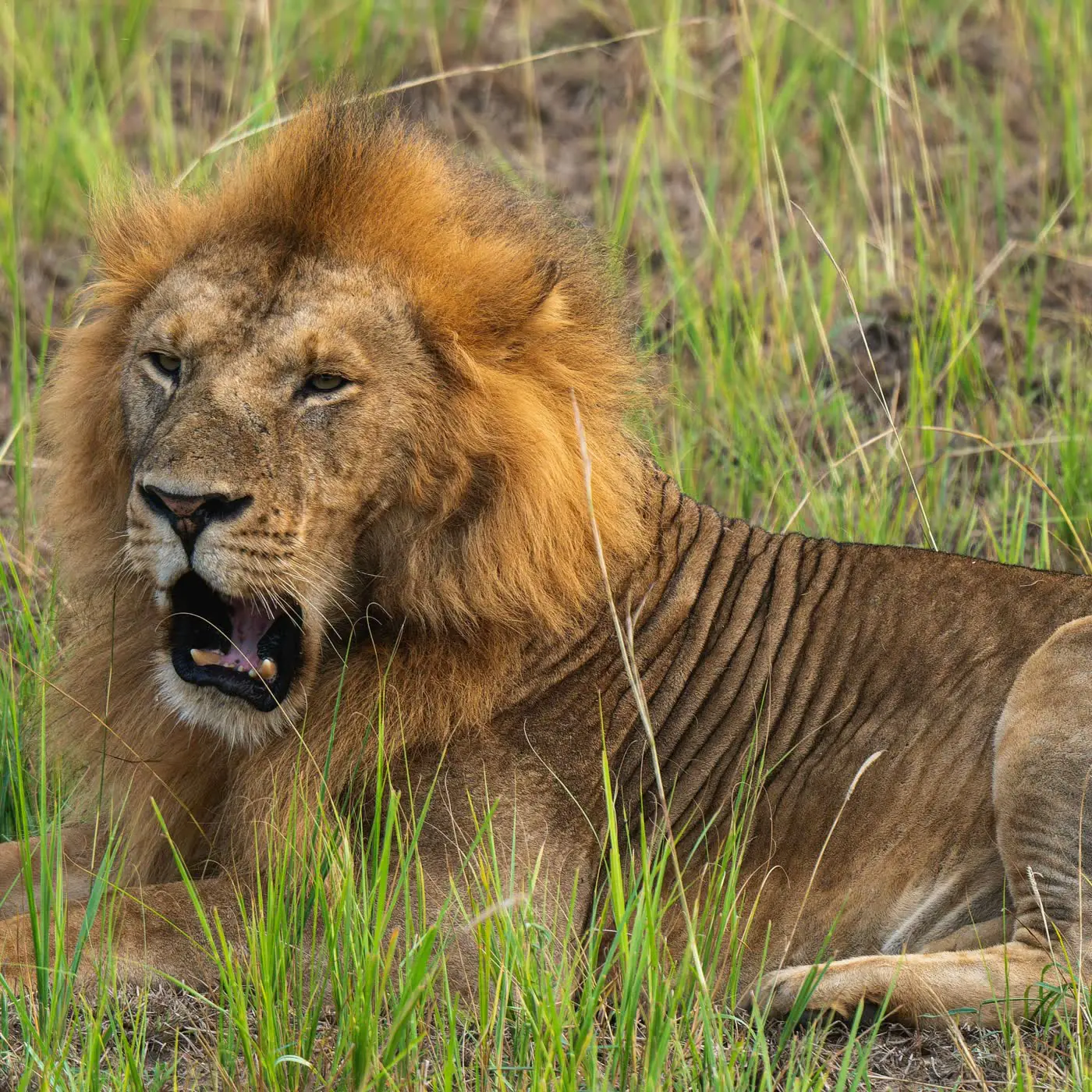
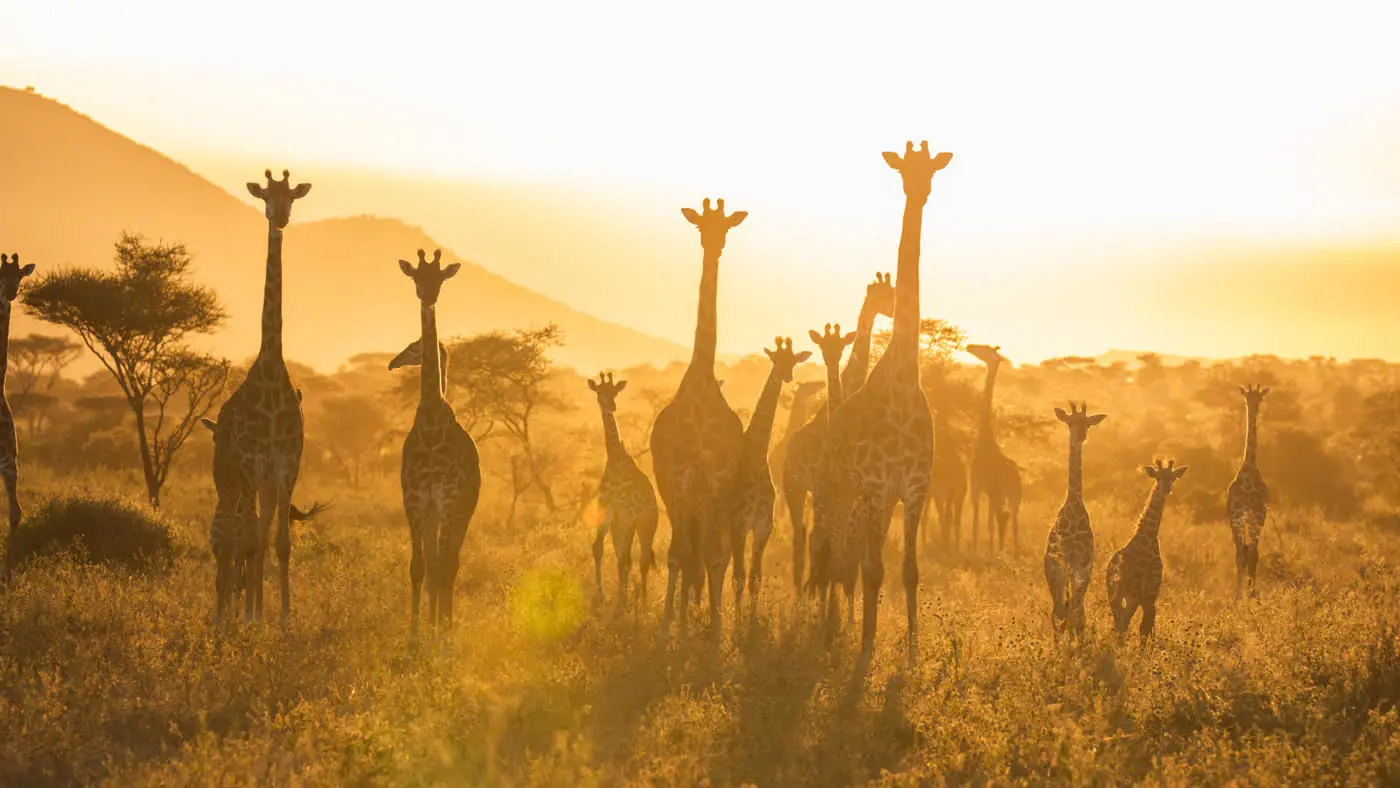
The river also draws buffalo, zebra, wildebeest, giraffe, eland and the dry-country fringe-eared oryx and gerenuk, which are hard to find elsewhere on the northern circuit. Lion are common, leopard live along the river and in the woodland, and the Silale swamp in the south is a reliable spot for big herds and predators.
Tarangire is also one of the best birding parks in Tanzania, with more than 500 species recorded, from ostriches and kori bustards to the yellow-collared lovebird, which is found only in this part of the country.
When to go and how long to stay
The dry season from June to October is Tarangire’s prime time, when the river concentrates the wildlife. In the wet season, from November to May, many animals disperse into the wider landscape, though the park is green, quiet and excellent for birds.
One night is enough to enjoy an afternoon and a morning game drive on the way to the Ngorongoro Crater and the Serengeti; two nights let you explore the quieter south of the park. Lake Manyara, with its tree-lined shores and soda lake, is close by and easy to add.
Questions travelers ask
When is the best time to visit Tarangire?
June to October, when the Tarangire River is the main water source and elephants, buffalo and zebra gather in large numbers. The wet season is greener and quieter, with fewer animals in the park.
How far is Tarangire from Arusha?
About 120 kilometres, roughly two hours by road, which makes it the natural first stop on a northern Tanzania safari.
Is Tarangire worth visiting?
Yes, especially in the dry season. Its elephant herds and baobab landscapes feel very different from the Serengeti and the Ngorongoro Crater, and it is far less crowded.
Can you see the Big Five in Tarangire?
Elephant, buffalo, lion and leopard all live in Tarangire. There are no rhino, so most travellers see them in the Ngorongoro Crater on the same trip.