Where the migration is, month by month
From December to March the herds graze the short-grass plains of the southern Serengeti and Ndutu, and in late January and February around half a million calves are born within a few weeks, which draws lions, cheetahs and hyenas in numbers. In April and May the long rains push the herds into the central and western Serengeti.
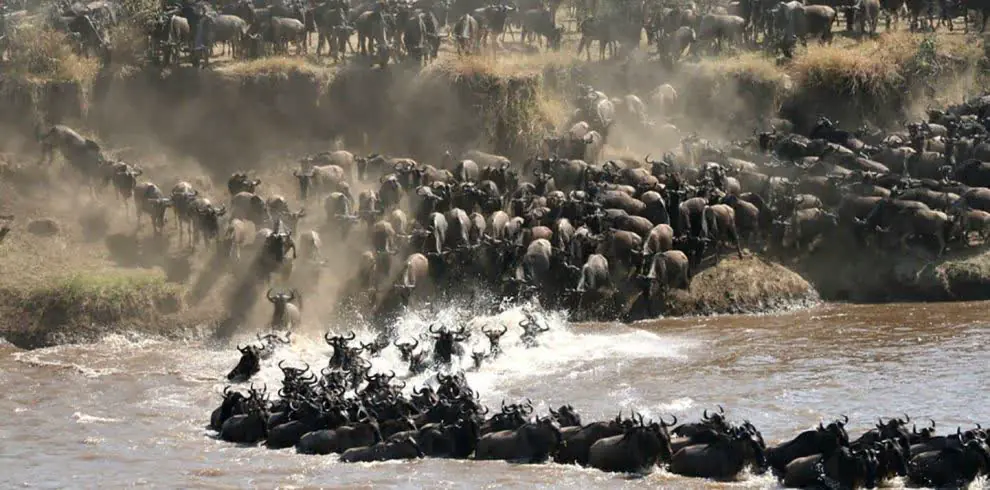
By June and July they gather in the Western Corridor and cross the Grumeti River, and from July to October they are in the far north around Kogatende, crossing the Mara River back and forth with Kenya. In November the short rains turn them south again. No two years are identical, so we place your camp where the herds are expected for your dates.
Big cats all year in the Seronera valley
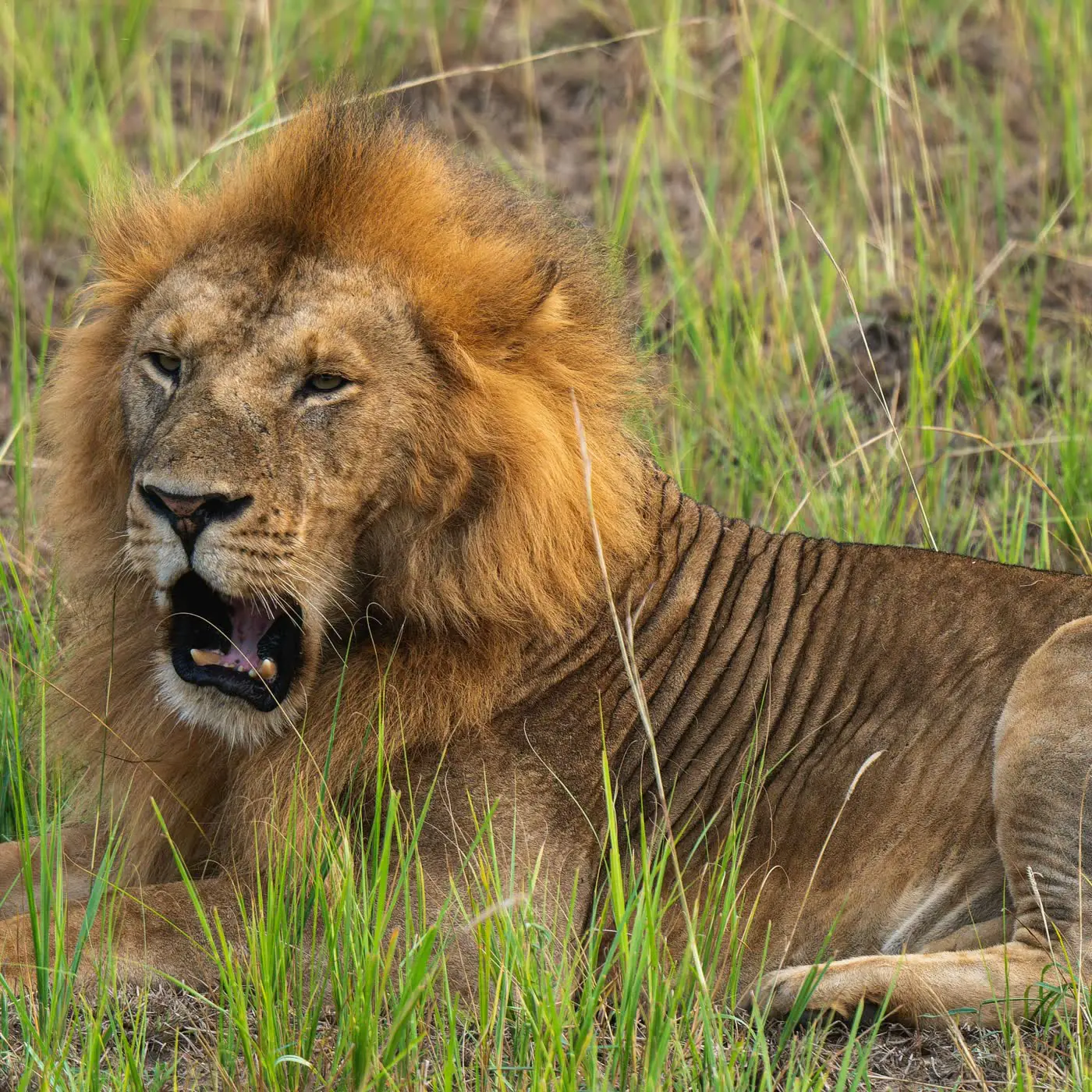
You do not need the migration to have a great Serengeti safari. The Seronera River valley in the centre of the park has permanent water and resident wildlife, and it is one of the best places in Africa to see leopard, draped in the sausage trees along the river. Lion prides hold territories around the kopjes, and cheetahs hunt on the open plains to the south and east.
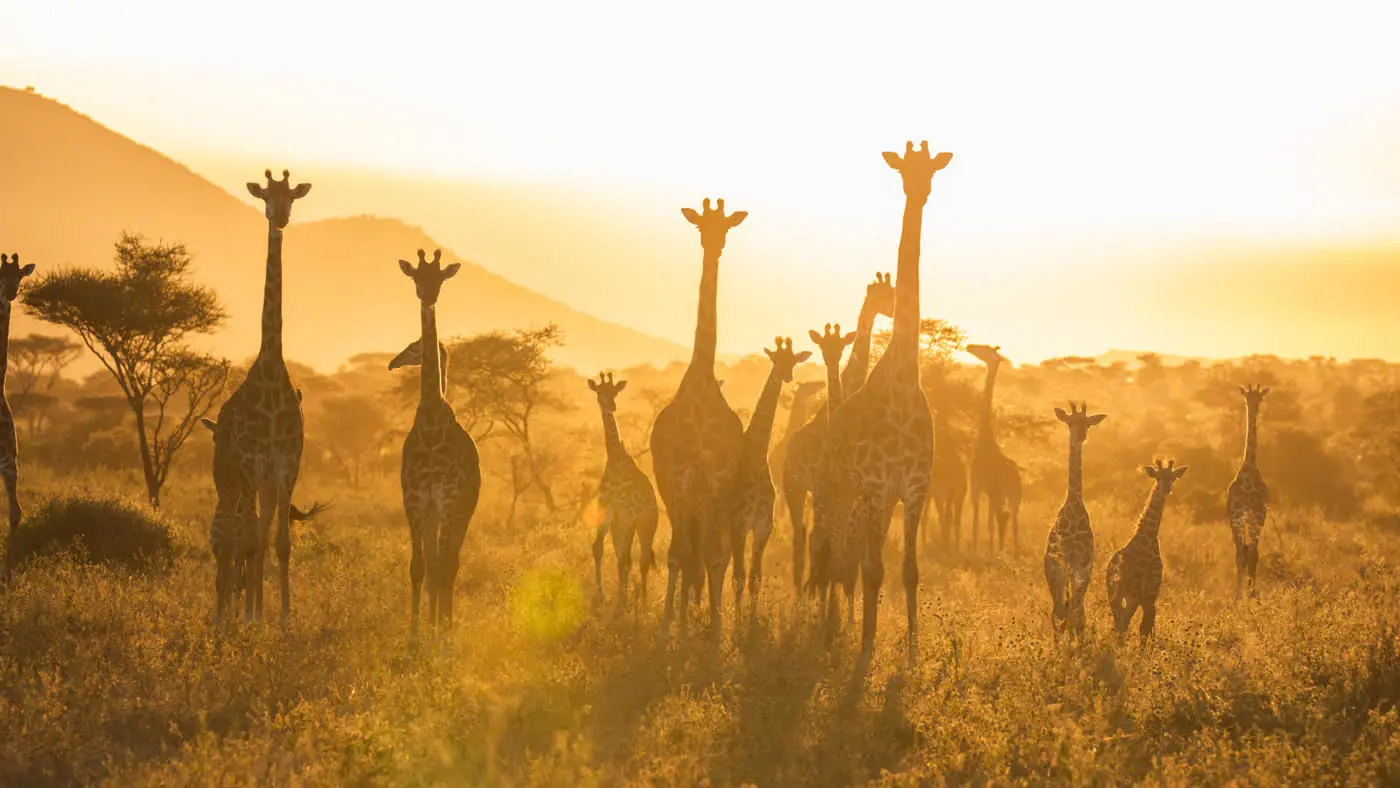
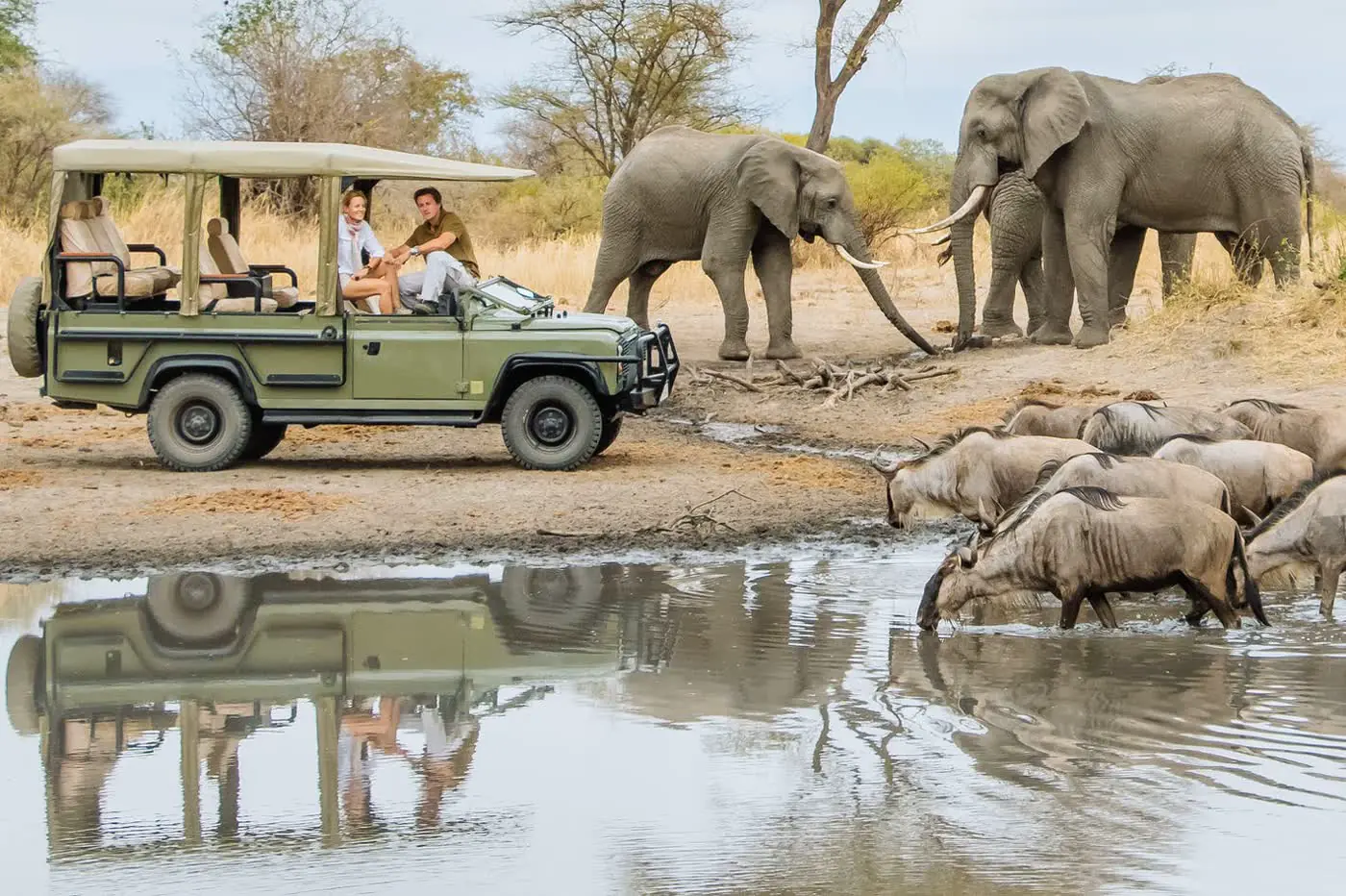
Elephant, buffalo, giraffe, hippo, topi and hartebeest are common, and more than 500 bird species have been recorded. A sunrise hot-air balloon flight over the Seronera valley is the classic optional extra.
Getting there and how long to stay
Most safaris reach the Serengeti by road from Arusha, a full day through the Ngorongoro highlands with game viewing on the way, which is why it pairs so naturally with Tarangire and the Ngorongoro Crater. Scheduled light aircraft also fly from Arusha and Kilimanjaro to airstrips across the park, and you can cross from the Maasai Mara through the Isebania border.
Two nights is the minimum to make the journey worthwhile; three or four let you explore more than one area or follow the herds. Park fees are charged per person per 24 hours and are included in our safari prices.
Questions travelers ask
When is the best time to visit the Serengeti?
June to October is the dry season, with excellent game viewing and the migration in the north from July. January and February are best for the calving season in the south. The long rains in April and May are quieter and greener, and some camps close.
Is the Serengeti better than the Maasai Mara?
They are one ecosystem. The Serengeti is far larger and holds the migration for most of the year; the Mara is smaller, closer to Nairobi and has the herds from July to October. Combining both on one trip shows you the whole story.
How many days do you need in the Serengeti?
At least two nights, as getting there takes most of a day. Three or four nights let you explore beyond the Seronera valley or follow the migration.
Can you see the Big Five in the Serengeti?
Lion, leopard, elephant and buffalo are seen regularly. Rhino are rare and mostly found around Moru Kopjes, so many travellers pair the Serengeti with the Ngorongoro Crater for the best rhino chances.