A day on the crater floor
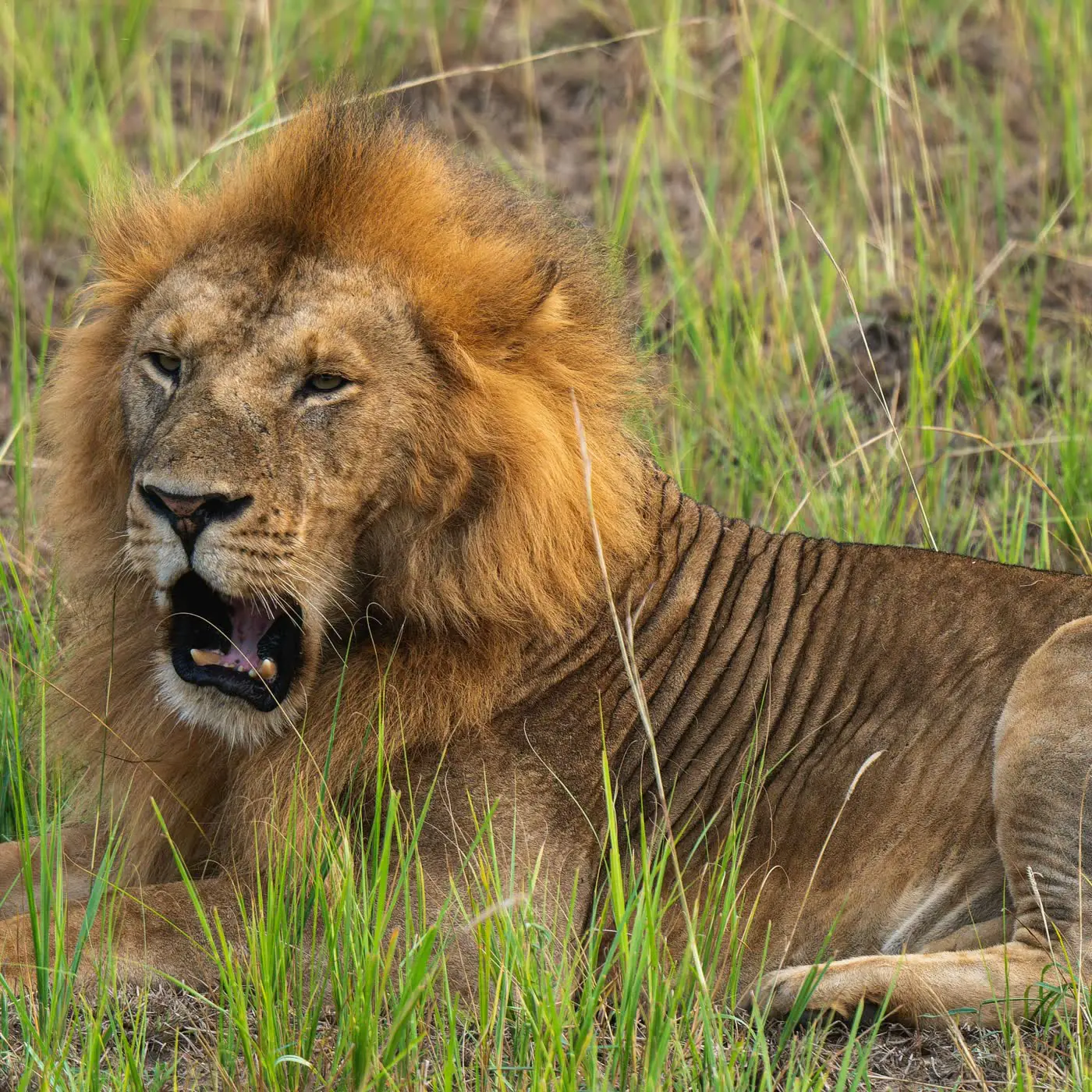
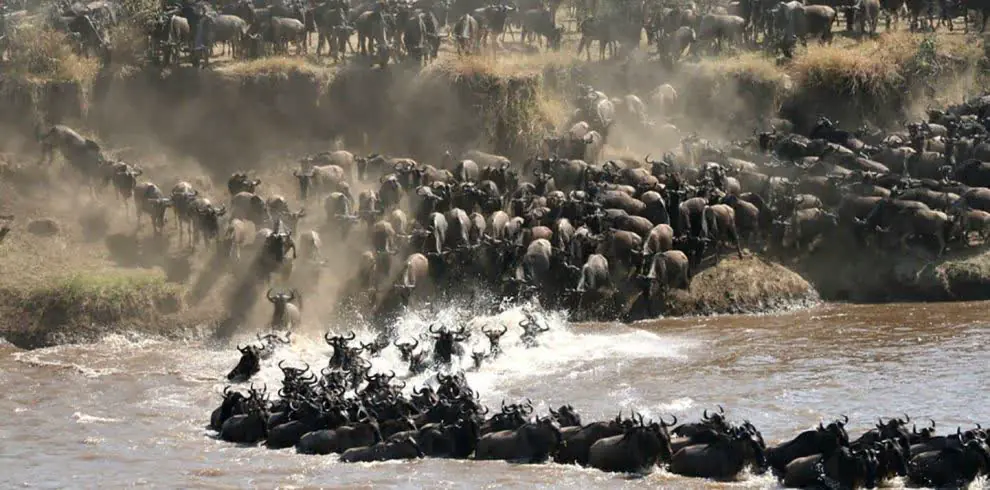
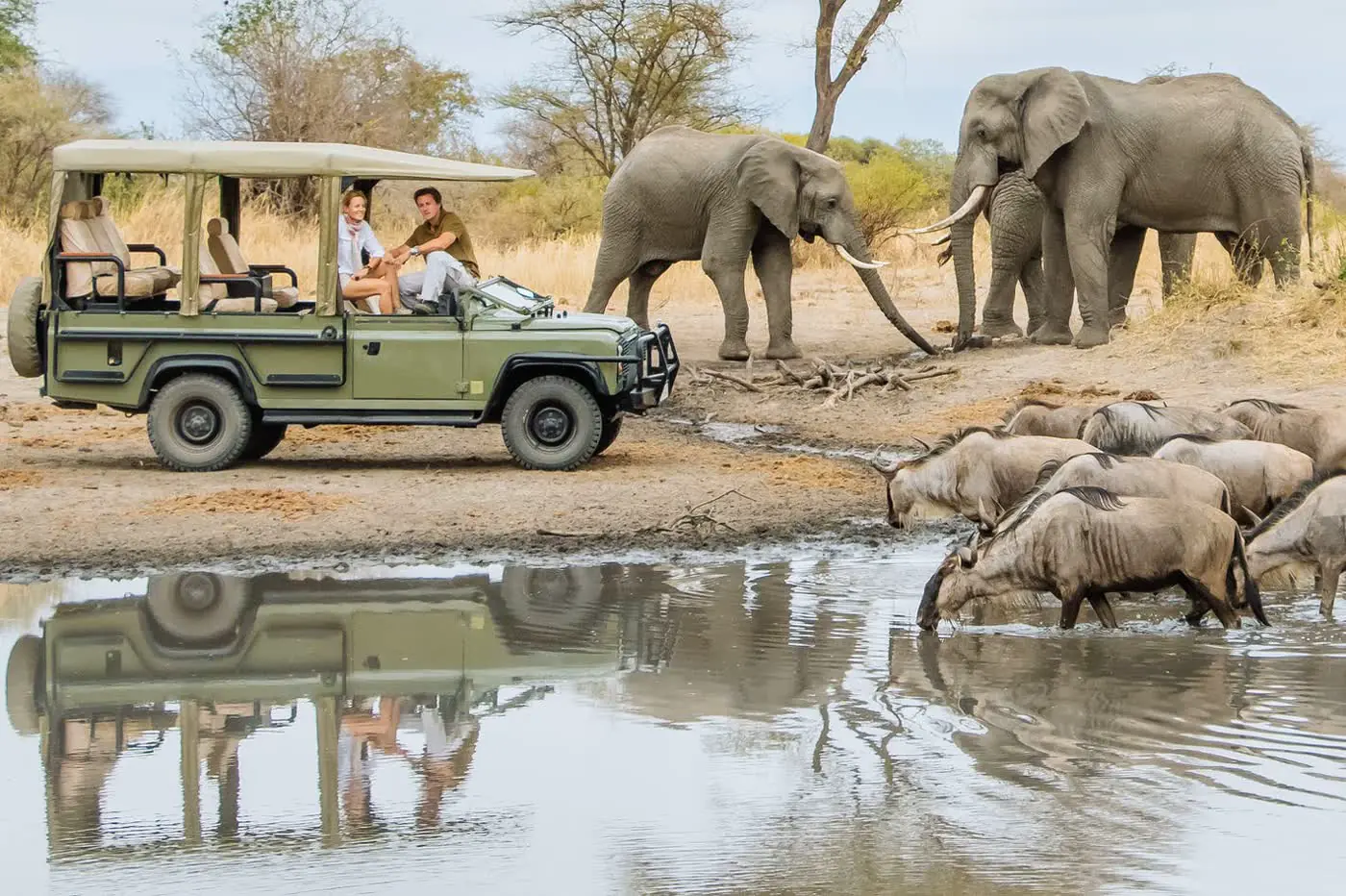
Around 25,000 large animals live inside the crater, and because the walls keep most of them in, game viewing is remarkably reliable. Lions are seen on almost every visit, and the open floor makes the crater one of the best places in East Africa to see the critically endangered black rhino. Elephant bulls with huge tusks, buffalo, hippo in the Ngoitoktok and Mandusi pools, wildebeest, zebra, hyena, jackal and flamingos on Lake Magadi complete the picture.
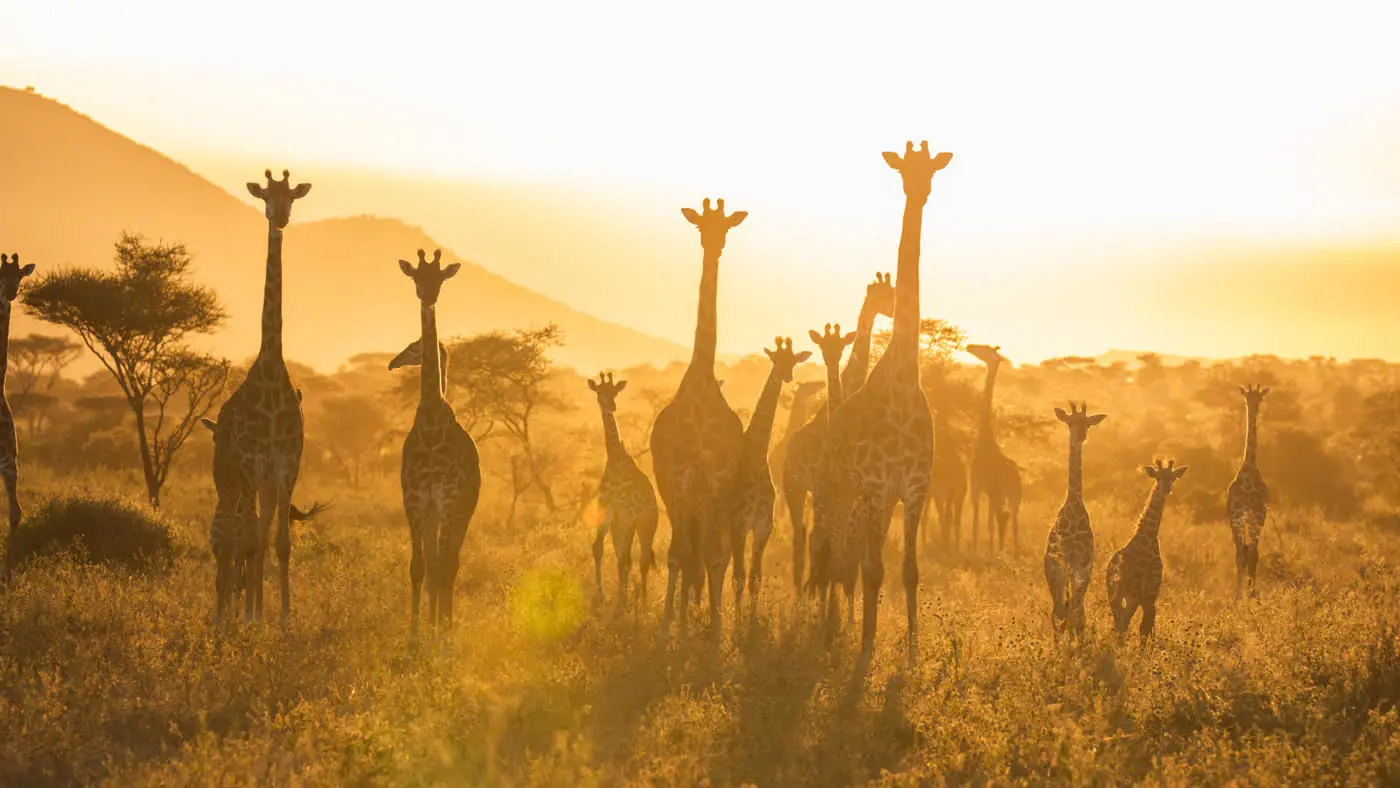
A few animals are missing: giraffe cannot manage the steep walls, and impala and topi are absent too. Vehicles may spend a limited time on the floor each day, about six hours, so we descend early, take a picnic lunch by the hippo pool and climb out in the afternoon.
The Ngorongoro Conservation Area
The crater sits within the much larger Ngorongoro Conservation Area, where Maasai herders live alongside the wildlife, and where you can visit Olduvai Gorge, one of the most important sites in the story of human evolution. The rim is high, at about 2,300 metres, so evenings and early mornings are cool: bring a warm layer even in the dry season.
Most travellers stay one or two nights on the rim or in the farming highlands around Karatu, between Tarangire and the Serengeti, which makes the crater an easy stop on the classic northern circuit.
When to go
Because the crater has permanent water, it is rewarding in every month. June to October is dry and clear, with the busiest roads; the green season from November to May brings fewer vehicles and lush grass, with newborn animals early in the year. The long rains in April and May can make the descent roads slippery, but the crater rarely closes.
Crater service fees are charged per vehicle for each descent, on top of the conservation fee per person; both are included in our safari prices.
Questions travelers ask
Can you see rhino in the Ngorongoro Crater?
Yes. The crater holds one of Tanzania’s few accessible black rhino populations, and the open floor makes them easier to spot than in most parks, though sightings are never guaranteed.
How long can you stay in the Ngorongoro Crater?
Vehicles are allowed on the crater floor for about six hours per day, so most safaris spend one full morning-to-afternoon game drive there.
Is the Ngorongoro Crater worth it?
For most travellers, yes. In a single day you can see lion, elephant, buffalo and often rhino in a dramatic setting, which makes it a highlight of any northern Tanzania safari.
How cold is it at Ngorongoro?
The rim is about 2,300 metres high, so nights and early mornings can drop below 10 °C. Bring a fleece or jacket, even in the dry season.